A Greek island holiday is one of those trips almost everyone has on their list, but turning the dream into an actual booking can feel surprisingly tricky. Which island suits your group? Should you rent a villa or book a hotel? And how far ahead do you really need to plan to get a good price? Villa rentals in Greece answer many of these questions, offering private pools, space to spread out and a way of living that hotels rarely match.
This guide walks you through the whole process. We compare the three main villa regions, from the Cyclades to the Ionian Islands and Crete, explain when to book for the best rates, and break down what villas typically cost per night. You will also find practical advice on choosing the right villa for couples, families or groups of friends, plus tips on ferries, flights and renting a car once you arrive. By the end, you will know exactly how to plan a villa holiday that fits your budget.
Why Choose Villa Rentals in Greece for Island Holidays
Ask anyone who has rented a villa on a Greek island and they will tell you the same thing: it changes the whole rhythm of the holiday. Instead of queueing for a hotel breakfast or fighting for a lounger by a shared pool, you wake up, wander onto your own terrace and swim in a private pool with the Aegean stretching out below. Many villas come with outdoor dining terraces and sea views that hotels simply cannot offer at the same price point.
The money side matters too. Many Greek villas sleep 4 to 8 guests, which makes them especially cost-effective for two families traveling together or a group of friends. Split a villa between six or eight people in July and the per-person cost often comes in below what you would pay for several separate hotel rooms in the same resort. You also get a kitchen, a living room and usually far more outdoor space.
Living like a local
The biggest difference, though, is lifestyle. A villa base lets you shop at the morning market for bread, fruit and feta, swim at your own pace through the hottest hours, then cook on the grill or stroll to a taverna for a late dinner. There is no checkout race, no fixed meal times and no dressing for the hotel restaurant. You set the tempo, and that unhurried feeling is exactly what most people come to a Greek island to find.
Best Greek Island Regions for Villa Stays
Not all Greek islands suit the same kind of villa holiday, so it pays to match the region to what you actually want. The Cyclades are the postcard islands: whitewashed villages, blue-domed churches and dramatic caldera or beach views. Santorini and Mykonos are the most famous names, while Paros and Naxos offer a similar look with a more relaxed pace and better value. If your dream involves sipping wine on a terrace above the sea, this is your region. Keep in mind that the Cyclades are also the most exposed to the summer meltemi wind, which some travelers love for cooling things off and others find disruptive at the beach.
The Ionian Islands, off the west coast, feel completely different. Corfu, Kefalonia and Zakynthos are noticeably greener, with cypress-covered hills, Venetian-influenced architecture and calm, swimmable water. Crete, the largest island, rewards longer stays: you can combine beach days with gorge walks, winery visits and big, spacious villas that offer more space per euro than most other regions. Because Crete is so large, pick your base carefully so you are not spending half your holiday in the car.
- Santorini: villas here trade pool size for caldera views, and cave-style properties carved into the cliffside are a signature of the island.
- Paros and Naxos: both islands have sandy beaches close to traditional inland villages, so you can pair a beach villa with evening strolls in a real town.
- Kefalonia: known for large coves and dramatic scenery, it suits families who want green surroundings rather than bare Cycladic hillsides.
- Crete: its size means you can base yourself near a north coast beach and still reach gorges, ancient sites and mountain wineries on day trips.
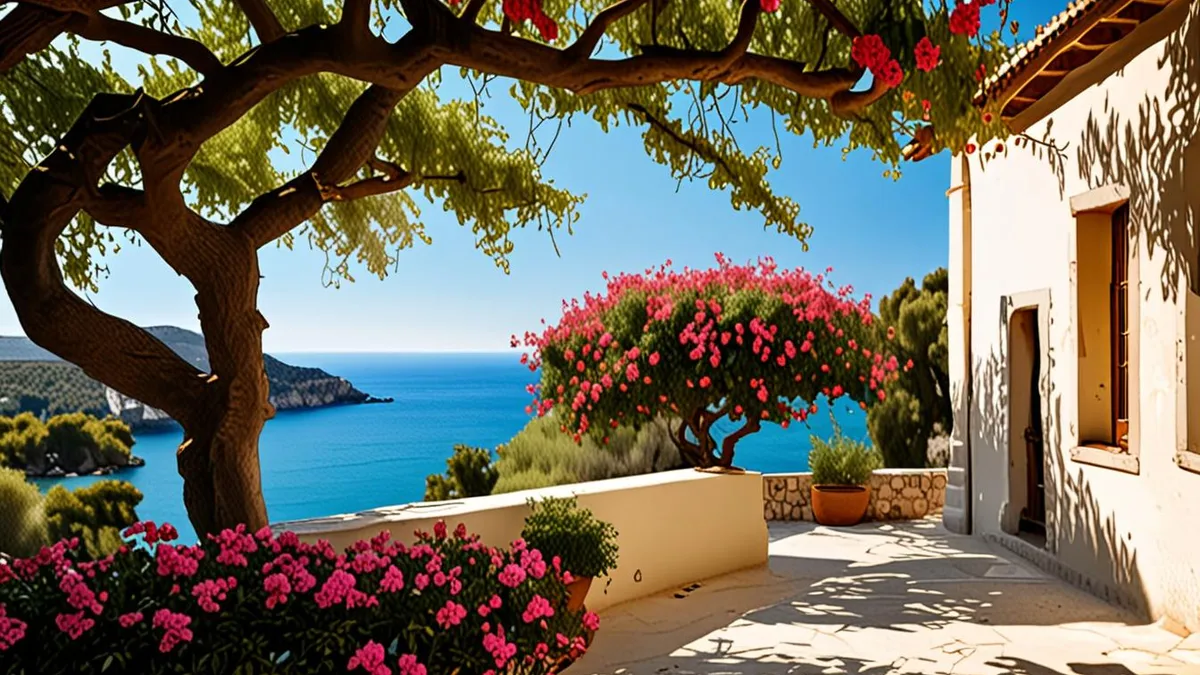
When to Book: Seasons and Lead Times
Timing is the single biggest factor in what you pay for a Greek island villa. Peak season runs from mid-June to early September, with July and August the busiest and priciest months. During those weeks, the best villas with the best views and pools are booked first, and owners can charge top rates. If you want a summer stay, plan to book 6 to 9 months ahead. That may sound early, but the most desirable properties on popular islands are often gone by late winter.
Why shoulder season works so well
The shoulder season, from May to mid-June and again from September to early October, is a sweet spot for villa holidays. Prices drop noticeably, the sea is still warm, and beaches, tavernas and roads are far less crowded. You get the same villa, the same pool and often the same views for a fraction of the peak-season rate.
Booking windows are shorter in shoulder season, too. For a May, June, September or early October trip, booking 2 to 4 months ahead usually secures good availability, and you can often be flexible about exact dates. That flexibility is worth real money: shifting a trip by a week or two can bring a better villa into your budget without any compromise on the experience.
What Greek Island Villas Cost
Villa prices in Greece swing sharply with the calendar. In shoulder season, you can expect to pay roughly €150 per night for a desirable villa with a pool and sea views. In July and August, the same property often jumps to €600+ per night, sometimes more on islands like Santorini or Mykonos.
Why bigger villas often cost less per person
The math gets interesting once you split the bill. A villa sleeping 6 to 8 guests can drop the per-person cost below what you’d pay for multiple rooms at a mid-range island hotel, especially in peak season when hotel rates climb fast. Two families sharing one property frequently end up with more space, a private pool and a kitchen for less than they’d spend on separate hotel bookings.
If you’re watching costs, it also helps to read up on budget villas in Europe before you start comparing listings, since the same money-saving principles apply across the continent.
Watch the minimum stay
One cost that catches travelers off guard is the peak-season minimum stay. On popular islands, owners commonly require 5 to 7 nights during July and August, which means you’re committing to a full week’s budget even if you’d prefer a shorter trip. Factor this in when comparing options, and remember that shoulder-season stays usually come with more flexible terms and far friendlier rates.
How to Choose the Right Villa for Your Group
The best villa for your trip depends less on the island and more on who’s traveling with you. A romantic hideaway and a base for six friends need very different things, so start your search with your group in mind.
Couples should look for one-bedroom villas with plunge pools in quieter corners of Paros, Naxos or Crete. These smaller properties offer the same views and private outdoor space as larger villas at a gentler price, and the inland villages or southern coasts tend to stay calm even in summer.
Families generally do best in the Ionian Islands or Crete, where fenced pools, multiple bedrooms and short drives to sandy beaches make daily life easier. If you’re comparing options, browsing dedicated family villas in Europe can speed up the shortlisting process considerably.
Groups of friends should focus on how the villa actually works for a crowd, not just how it photographs. Before you book, confirm a few specifics:
- Bed configurations: ask whether bedrooms hold proper doubles, singles or fold-out sofas, since many listings count a sofa bed toward the guest total
- Ensuite bathrooms: check how many bedrooms have their own bathroom, because sharing two bathrooms between six adults gets old quickly
- Evening space: confirm the terrace and pool area have enough seating, shade and lighting for the whole group to gather comfortably after dark
Getting There and Getting Around
Most travelers reach the Greek islands by flying into Athens and connecting onward. From the port of Piraeus, ferries to popular Cycladic islands take roughly 3 to 8 hours depending on the island, with the faster boats charging a premium. In summer, several major islands also receive direct international or domestic flights, which can save you half a day of travel.
Why a rental car is essential
Plan to rent a car on arrival. Most villas sit outside town centers, and beaches, tavernas and supermarkets are spread out across the island rather than clustered together. Relying on taxis or buses works in a few resort towns, but a car gives you the freedom that makes a villa holiday worthwhile, from morning bakery runs to spontaneous swims at coves you’d never otherwise reach.
Check the access before you book
One detail worth checking early: the road to the villa itself. Some Cycladic properties sit down steep dirt tracks that are best suited to a small SUV rather than a tiny city car. Ask the owner or rental agent directly about the approach road, how long it takes to reach the nearest supermarket and whether parking is on-site. A five-minute description now saves a tense arrival with luggage and a car that can’t make the final turn.
Planning Your Greek Island Villa Holiday
The hardest part of a Greek island villa holiday is not choosing a villa — it is choosing in the right order. Pick your region first, since the Cyclades, the Ionian Islands and Crete each deliver a very different feel. Then match the season to your budget, because shoulder season stretches the same money much further. Finally, book the villa 6 to 9 months out for summer stays, when the best properties go first.
Do that, and the planning almost finishes itself. Villa rentals in Greece reward early planning with better views, pools and prices at every budget level, and once you arrive the holiday runs itself: pool mornings, beach afternoons and long taverna evenings. If this helped you plan your own island escape, leave a comment or share the article with your travel group.