Figuring out where to stay in Tokyo trips up almost every first-time visitor. The city is enormous, and each neighborhood feels like its own small city: Shinjuku buzzes with neon and crowds, Shibuya hums with youth culture, Asakusa keeps an old-town calm, and Ginza feels polished and quiet by comparison. There is no single “best” address, only the area that matches your trip.
This guide breaks down the strongest bases for a first visit: why your choice of area matters so much, then a close look at Shinjuku, Shibuya and Harajuku, Asakusa, and Tokyo Station and Ginza. You’ll also find practical advice on when to book and how to save on hotel rates, plus a simple way to match an area to your own priorities. By the end, you should be able to pick one well-located base and stop second-guessing your choice.
Why Your Choice of Area Shapes a First Tokyo Trip
Tokyo isn’t one city with a center you can stay near. It’s a cluster of distinct districts, each with its own personality, dining scene and rhythm. A single “best” address doesn’t really exist, so the smarter move is to pick one base area that fits your priorities and return there each night.
Most first-time visitors stay 4-6 nights, which is exactly why this decision matters. With one well-located area, you spend your mornings and evenings walking to dinner or hopping one or two stops on the train, not hauling luggage across town or losing an hour a day in transit. The Tokyo Metro and the JR Yamanote Line cover most first-timer itineraries, so being close to either makes sightseeing far easier.
Think in terms of rail hubs
Staying near a major rail hub pays off, especially if you plan day trips. Shinjuku Station handles roughly 3.5 million passengers daily, and that scale means direct trains to nearly everywhere, including routes toward Mt. Fuji. When your hotel sits a short walk from a hub like this, day trips and late dinners both get simpler.
The good news is that Tokyo’s trains are frequent, clean and easy to navigate with a transit app. Choose your base for convenience, and the rest of the city opens up from there.
Shinjuku: Best for Nightlife, Dining and Transport
Shinjuku is the workhorse choice for a first Tokyo stay. The area around the station packs an enormous number of mid-range hotels, with plenty of solid options in the 15,000-30,000 yen per night range. Because competition is fierce, you can often find newer, well-designed rooms close to the action without paying Ginza prices.
Transport that covers everything
The biggest argument for Shinjuku is connectivity. Direct trains run from the area toward Mt. Fuji for easy day trips, and the rest of the city is reachable with few or no transfers. Come back late from dinner anywhere in Tokyo and you’ll almost always have a simple ride home to a station you already know how to exit.
Nightlife with quiet corners
After dark, Shinjuku is one of Tokyo’s liveliest districts. The dining and drinking options are nearly endless, from tiny counter spots to larger izakaya, and the energy is part of the appeal. If that sounds overwhelming, remember that the noise is concentrated: side streets like the area around Hanazono Shrine stay noticeably quieter, and a hotel a few blocks off the main drags gives you nightlife access without the all-night buzz outside your window.
For travelers who want dining, transport and evening energy in one package, Shinjuku is hard to beat.
Shibuya and Harajuku: Best for Trendy Youthful Energy
If you picture Tokyo as neon, fashion and youth culture, Shibuya and Harajuku will feel like home. This corner of the city suits travelers who want shopping, cafes and nightlife within walking distance. Step out of your hotel and you’re already in the middle of it, no train required for a full evening out.
Everything worth seeing is on foot
The walkability here is the real selling point. The famous Shibuya Crossing is steps from the station, and from there you can stroll to Yoyogi Park and Meiji Shrine without ever touching a train. That mix is unusual: a major shrine and a leafy park sit directly beside one of Tokyo’s trendiest shopping and nightlife districts, so you can pair a morning temple visit with an afternoon of boutique browsing. It also means your evenings don’t depend on catching a last train back from somewhere else in the city.
Know the trade-off: compact rooms
The trade-off is space. Rooms in this area tend to be small, and even places charging mid-range rates often offer surprisingly tight quarters. If you travel with large suitcases or simply like room to spread out, check the listed room size carefully before booking rather than trusting photos alone. A few extra square meters can make a four to six night stay far more comfortable.
For travelers who value energy, style and a walkable nightlife scene over square footage, Shibuya and Harajuku deliver exactly the Tokyo they imagined. Just pack light and treat your compact room as a place to sleep, not to linger.
Asakusa: Best for Traditional Tokyo on a Budget
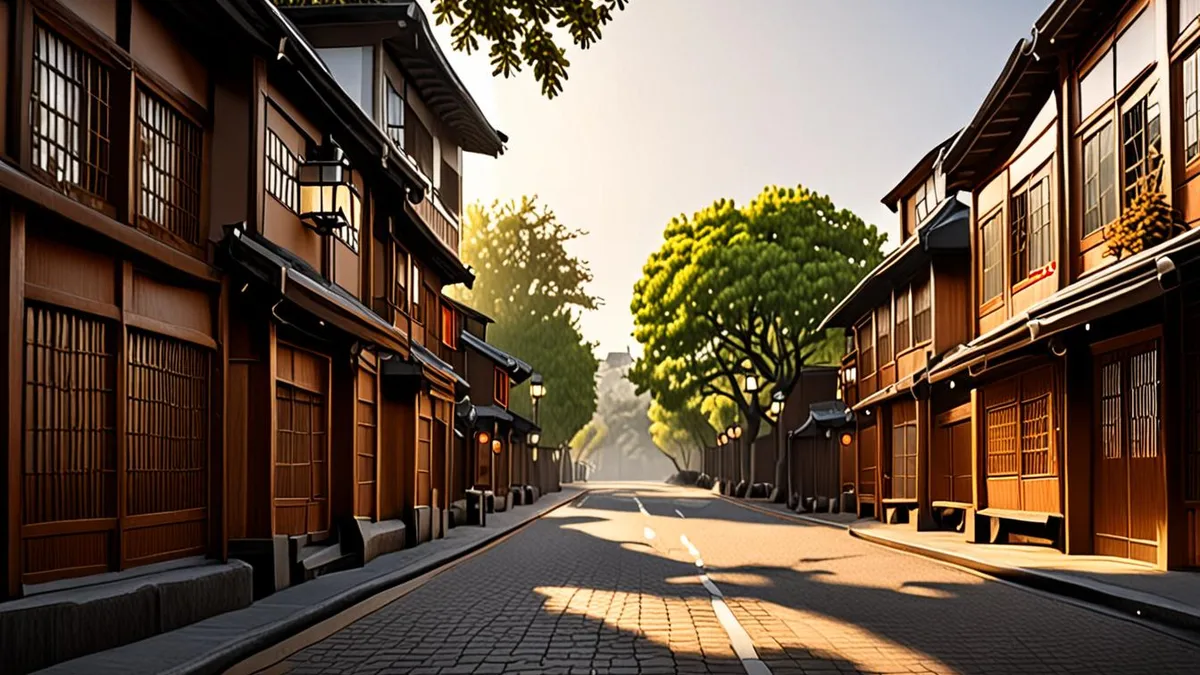
Asakusa is the neighborhood most people picture when they think of old Tokyo. The area centers on Senso-ji Temple, the city’s oldest and most visited temple, and the streets around it still feel like a different era compared to the glass towers of Shinjuku or Ginza. Nakamise shopping street, traditional craft shops, and low-rise buildings give the whole district a warm, lived-in charm.
Why your wallet will thank you
For budget travelers, Asakusa is hard to beat. Budget hotels from 8,000-15,000 yen per night are common here, and many are just a short walk from the temple grounds. You can often find family-run guesthouses and small business hotels that would cost noticeably more in the western districts. Staying close to Senso-ji also means you can visit early in the morning, before the tour groups arrive, which is one of the best experiences in the city.
The trade-off: commuting
The main compromise is location. Asakusa sits on the eastern edge of Tokyo, and getting to central districts like Shinjuku or Shibuya typically takes about 20-30 minutes by train. That is not a dealbreaker, but it does mean planning a bit of commuting into each day. If your itinerary focuses on temples, the Sumida River area, and day trips via the nearby rail lines, the trade-off is well worth it. If you plan late nights in Shibuya, factor in the ride home.
Tokyo Station and Ginza: Best for Sightseeing Logistics
If your priority is covering a lot of ground efficiently, the area around Tokyo Station and neighboring Ginza is the smartest base. This is the center of gravity for Tokyo’s rail network, and that convenience compounds every single day of your trip, whatever its length.
Built for sightseeing logistics
The district sits in a central position on the JR Yamanote Line, the loop line that connects most neighborhoods first-timers want to see. From here, you can reach Shibuya, Shinjuku, Akihabara, and Ueno without changing trains. Tokyo Metro lines cover the rest, so the Tokyo Metro and JR Yamanote Line together handle nearly every stop on a typical first-timer itinerary. If you have ever appreciated the logic behind staying right where the trains depart, you will recognize the same idea here: less time moving, more time seeing.
Shinkansen and side trips
Tokyo Station is also the main departure point for the Shinkansen bullet trains, making side trips to Kyoto or Hakone refreshingly simple. You can walk from your hotel breakfast to your platform in minutes instead of dragging luggage across the city. Check current schedules and train durations with your operator, as they vary by route and service.
Ginza itself suits travelers who prefer polished streets, department stores, and quiet evenings over nightlife. It is elegant, walkable, and safe after dark, though noticeably sleepier than Shinjuku or Shibuya once the shops close.
When to Book and How to Save on Tokyo Hotels
Tokyo hotel prices swing more with the calendar than most travelers expect. The same room can cost dramatically more during peak weeks, so timing your booking matters almost as much as picking the right neighborhood. The good news: a few simple habits will keep your budget intact, whether you are booking a mid-range room in Shinjuku or applying the same tactics that work well for first-time visitors choosing hotels in New York.
- Book early for peak season. For cherry blossom season (late March to early April) and autumn foliage around mid-November, reserve 3-6 months ahead. Rooms fill quickly and prices climb as availability shrinks.
- Consider the shoulder months. May, June, and October typically offer better rates and thinner crowds, with pleasant weather as a bonus. Your money simply goes further.
- Choose business hotels or capsule stays. Both sit comfortably in the budget tier without sacrificing location. Business hotels are compact but comfortable and usually stand right by a train station; capsule stays are a fun, distinctly Japanese experience best suited to solo travelers.
- Compare rates before committing. Prices for the same property can vary between booking platforms and the hotel’s own site, so check a couple of sources before paying.
One last tip: once you find a good rate at a well-located hotel, book it. Tokyo’s best-value rooms in convenient areas tend to disappear first, especially in the popular districts covered earlier in this guide. Because most first-time stays run 4-6 nights, locking in one solid base early means you spend your trip enjoying the city rather than hunting for a room each evening. A little planning ahead pays for itself many times over.
Picking the Right Area for Your Trip
Tokyo can feel like a dozen different cities stitched together, which is exactly why choosing one base matters more than finding a single perfect address. The good news is that each major area solves a different problem: Shinjuku for transport and nightlife, Shibuya for trendy energy, Asakusa for tradition and budget, and Tokyo Station for sightseeing logistics.
The simplest way to decide is to match the area to your own priorities. Think about walking distance to the things you care about, your price range, and how much rail access you need. For a typical 4-6 night stay, one well-chosen base beats switching hotels mid-trip every time. If this helped you narrow things down, leave a comment or share the article with a fellow traveler.