Many travelers book a homestay for the first time without knowing how it differs from a hotel, and that uncertainty can make the whole stay feel awkward. Will meals be included? How much privacy will you really have? Are there house rules you should know about before you arrive? If you go in blind, small misunderstandings about shared bathrooms, kitchen use or quiet hours can turn a friendly stay into a stressful one.
This guide is written for the homestay first-timer who wants clear answers before booking. We’ll explain what a homestay actually is and how it differs from a guesthouse, what to expect from your room and bathroom, how meals and shared spaces usually work, and what typical costs and booking timelines look like. We’ll also cover house rules and etiquette, how to choose the right homestay for your trip, and a few final tips to wrap up your first stay smoothly. By the end, you’ll know exactly what to ask your host before you arrive.
What a Homestay Actually Is
A homestay is exactly what the name suggests: you stay in a room inside a host family’s actual home. It is not a guesthouse with a front desk, cleaning staff or a reception area. There is no manager to call at midnight and no staff rotating between rooms. The people who greet you when you arrive are the same people who live there every day.
This is the biggest difference from other types of accommodation, and it shapes everything else about the experience. Because your hosts live on-site, you will see them daily. They might share breakfast with you, recommend a local restaurant their family actually visits, or explain why the neighbors are setting off fireworks. That daily interaction is the whole point of a homestay, and it’s also why hosts usually set a few house rules.
Homestays come in many levels, so it helps to set your expectations honestly before booking. At the simple end, you might get a basic family room with a bed, a small desk and little else, in a home that clearly feels lived-in. At the polished end, some hosts offer private suites with their own entrance, modern furnishings and hotel-level comfort. Most homestays fall somewhere in between: comfortable, personal and unmistakably a family home rather than a business.
What this means for you as a guest
Practically speaking, treat a homestay like being a guest in someone’s home, not a customer in a hotel. Communication happens directly with your host, usually by message, and small courtesies matter. If you understand that dynamic before you book, everything else in this guide will make sense.
Rooms, Bathrooms and Privacy
Most homestays offer a private room as standard, so you can close the door at night and keep your belongings safe. If you’re traveling on a tight budget, some hosts also offer shared rooms, which typically cost 20-30% less than a private one. That saving is real, but think carefully before choosing it, especially if you’re a light sleeper or staying a week or more.
Bathrooms deserve special attention when you book. In many family-run homes, the hosts and guests share one bathroom between them. This is completely normal in a homestay, but it means you’ll need to coordinate morning routines and keep your toiletries organized. Some homestays do offer a private or ensuite bathroom, so if that matters to you, filter for it or ask the host directly before booking.
Sound is the other thing first-timers underestimate. Homestays are family homes, not hotels, so expect thin walls and everyday household noise rather than hotel-style soundproofing. You might hear children doing homework, a washing machine spinning, or your hosts chatting over dinner. Most guests adjust within a night or two, but packing earplugs is a simple fix worth considering.
A few practical details worth checking before you confirm a booking:
- Room key or door code: ask whether you’ll get your own key, since some hosts prefer guests to ring the bell and coordinate arrivals.
- Bed size and linen: family rooms sometimes have a double bed that is actually two singles pushed together, so it’s worth asking if you’re traveling as a couple.
- Storage space: many homestay rooms have a wardrobe or shelf rather than a full closet, which matters if you’re unpacking for a longer stay.
- Window and heating: rooms in older family homes can be small or face a street, so check photos and ask about heating if you’re sensitive to cold.
If you’re planning a trip across the continent, browsing the best homestays in Europe for travelers is a good way to see how widely room types and setups vary from one country to the next.
Meals and Shared Spaces
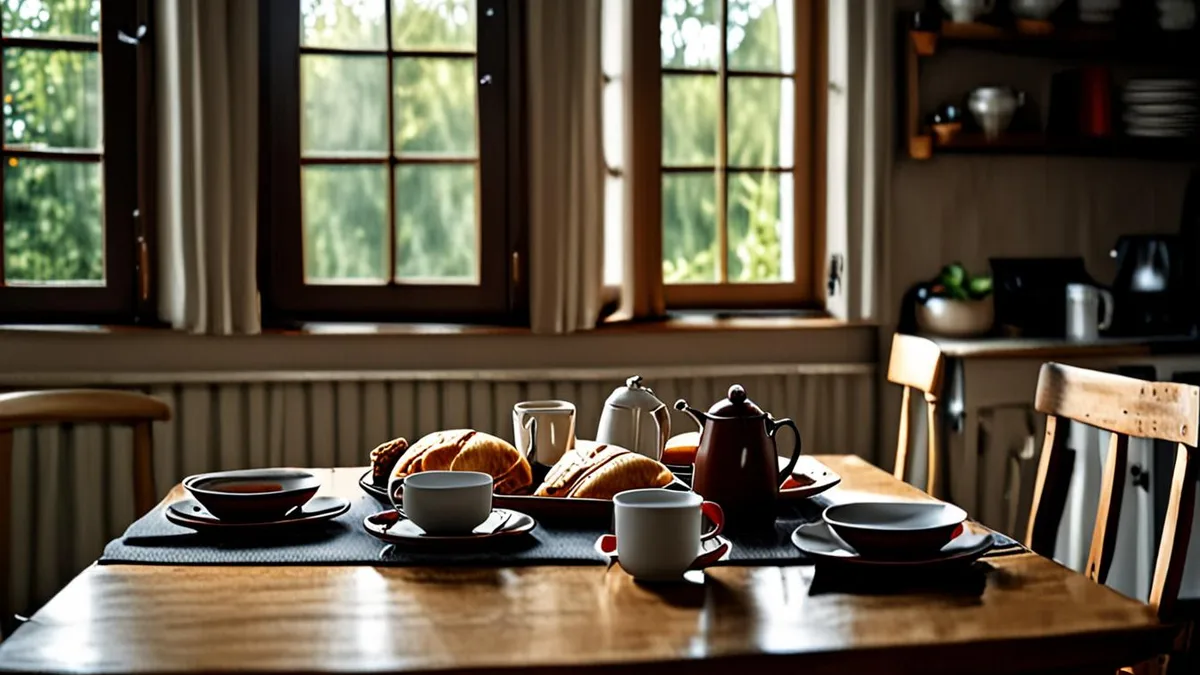
Food is where a homestay really earns its keep. Roughly 70% of homestays include breakfast in the price, usually something simple like bread, eggs, fruit, coffee or tea, depending on the country. Dinner is a different story: it varies by host, but many will add a home-cooked evening meal for around $5-15 per person if you ask in advance. That’s often cheaper than eating out, and far more memorable.
Why host-cooked dinners matter
The host-cooked dinner is the main cultural perk of the homestay first-timer experience. Sitting at the family table while your host explains a regional dish, shares stories about the neighborhood or teaches you how to eat something the local way is something no restaurant can replicate. If your host offers to cook for you, say yes at least once, even if the menu sounds unfamiliar. If you have dietary restrictions, mention them when you book so the host can plan, not on the evening itself.
Shared spaces: ask before you assume
Kitchens and living rooms in a homestay are often shared with the family, which is part of the charm but also part of the etiquette. Before you arrive, ask which spaces are guest-only and which are shared. Some hosts happily let you cook a simple meal in their kitchen; others prefer to keep cooking to themselves and simply offer you shelf space in the fridge. Neither approach is wrong, but knowing in advance avoids an awkward moment on your first evening.
The same applies to the living room, terrace or garden. In many homes these are genuinely shared, and joining your hosts for tea there can be the highlight of your stay. In others, the family keeps those spaces for themselves and guests use a separate lounge. A single message before arrival, asking what’s shared and what’s off-limits, sets the tone for everything that follows.
If sharing meals and daily life with a local family is what draws you, it’s worth looking at destinations where this tradition runs deep, such as the homestays near Cusco that focus on culture trips, where hosts often cook traditional meals and involve guests in daily routines.
Booking and Costs
For most travelers, the money question is the easiest part: homestays typically run $20-60 per night, with the exact rate depending on the city, the room type and whether meals are included. A simple private room in a smaller town sits at the lower end, while a polished suite in a major city can reach the top of that range and still undercut mid-range hotels. Compared to booking a mid-range hotel, the savings over a week can easily cover another night or two of your trip.
Timing matters more than most first-timers expect. Homestays often have only one or two rooms, so availability disappears faster than hotel inventory. In high season, aim to book 2-4 weeks ahead. In shoulder months, 1-2 weeks is usually enough, though last-minute deals do appear when hosts have empty rooms. If your dates are flexible, sending a polite message to a couple of hosts before committing can pay off.
If you are traveling light on budget, it helps to read a guide to budget homestays in Europe for backpackers before you compare listings.
A few cost details worth knowing before you book:
- Long-stay discounts usually kick in at 2 weeks or more, so ask the host directly if you plan to stay a month or longer.
- Meal add-ons change the total: breakfast is often bundled in, while dinner is typically quoted as a separate per-person fee.
- Cleaning or service fees on booking platforms can add a noticeable amount to short stays, so check the final price, not just the nightly rate.
- Currency and payment method matter too: some hosts prefer cash on arrival, which can mean hunting for an ATM, while platform bookings handle payment upfront.
House Rules and Etiquette
A homestay is someone’s home first and a place to sleep second, which means house rules are part of the deal. Before you arrive, confirm the basics with your host: quiet hours, whether you can bring visitors, and how the kitchen works if you plan to cook. Asking these questions early avoids awkward conversations later, and most hosts appreciate guests who check rather than assume.
Check-in is usually arranged by message 1-3 days before you arrive, since many hosts work daytime jobs and need to coordinate a time to hand over keys. Reply promptly to those messages and give an honest arrival window. If your bus or train is delayed, a quick update goes a long way.
Small gestures that go a long way
Bringing a small gift from your home country is a welcome gesture, not an obligation. Something simple like local candy, tea or a small souvenir works well and often sparks a great conversation at the dinner table. Just as important: keep shared spaces tidy, follow the household’s rhythm for noise, and let your host know if you will be out late or skipping a meal they planned. Treating the home with the same care you would want in your own is the core of good homestay etiquette.
Choosing the Right Homestay for Your Trip
The right homestay depends on the kind of trip you are planning. Rural homestays suit slow travel: mornings stretch out, meals are a highlight, and you may need to arrange your own transport to reach nearby sights. City homestays put you near transit lines, restaurants and attractions, which makes them a better fit if you plan to be out sightseeing all day.
Read reviews with the right filter
When comparing listings, read reviews for host responsiveness and meal quality, not just cleanliness. A spotless room means little if the host never answers messages or the included breakfast turns out to be a packaged pastry. Look for comments that mention how hosts handled problems, whether dinners were worth adding on, and how accurate the listing photos were. Reviews from guests who stayed a week or more tend to give the most honest picture.
Families traveling with children and longer-stay students should prioritize hosts who list shared activities. A host who mentions cooking together, guided walks, or language practice in their profile is signaling that they genuinely enjoy hosting, which makes a big difference over a stay of several nights or more. If those details are missing from the listing, send a question before booking and see how quickly and warmly they respond. That first reply often tells you exactly what the stay will feel like.
Wrapping Up Your First Homestay Stay
A homestay is simpler than many first-timers expect: a private room in a family home, shared spaces, and a host who actually lives there. It is not a hotel with staff or a guesthouse with other travelers, so the experience depends on the family you stay with. That is also what makes it rewarding, since home-cooked meals and everyday conversation give you a side of a place that hotels rarely offer.
On the practical side, budget around $20-60 a night depending on the city and room type, and book a few weeks ahead in peak season. The rest comes down to communication: confirm your check-in, ask which spaces you can use, and agree on meals and house rules before you arrive. Do that, and your first homestay should feel smooth and genuinely welcoming. If this guide helped you plan your trip, leave a comment or share it with a fellow traveler.