Kenya has probably topped your safari wishlist for years, but the practical side can feel confusing. What is a day at a lodge actually like? Will you sleep in a tent or a stone cottage? And how many months ahead do you need to reserve a room before the best camps are full? Many travelers book too late and end up settling for whatever is left.
This guide walks you through the essentials of safari lodges in Kenya. We cover what the accommodation and daily routine are really like, which regions suit different travelers, what you can expect to pay per night, and exactly when to book for peak and shoulder seasons. You will also find advice on choosing between lodge types to stay within budget, plus practical tips on getting there and what to pack. By the end, you should be able to pick a region, a lodge style, and a booking window with confidence.
What Safari Lodges in Kenya Are Actually Like
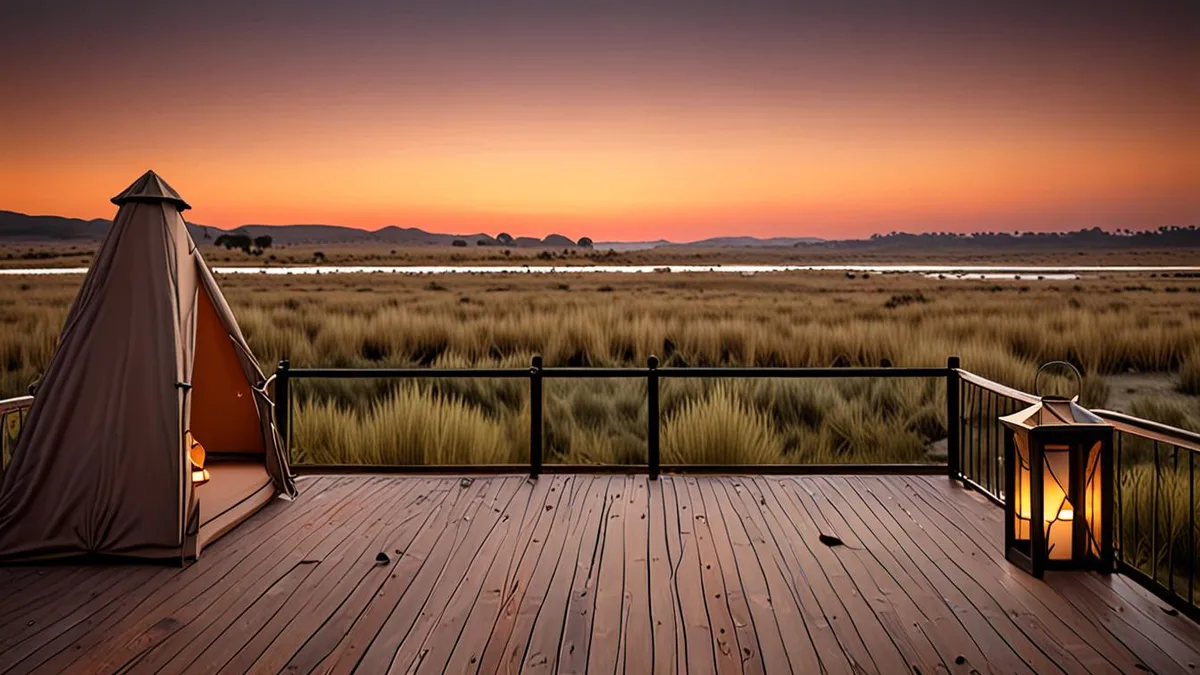
Forget the hotel-and-restaurant image many first-timers have. Most safari lodges in Kenya are built from local stone and thatch, or they are luxury tented camps with canvas rooms on fixed wooden platforms. The style varies, but the layout follows a common logic: rooms and tents are spread out rather than stacked, and most face open plains, rivers, or waterholes so animals often come to you between drives.
Don’t expect a typical hotel room either. Tented camps usually have proper beds, en-suite bathrooms, and hot showers, but walls are canvas, so you will hear hyenas and birds at night. That is part of the appeal, not a flaw.
The daily rhythm
Days are built around wildlife activity. Game drives typically leave before sunrise, when predators are most active, and return by late morning for brunch. The middle of the day is downtime: read, nap, or watch the waterhole from your veranda. A second drive runs in the late afternoon, often ending with a sundowner before dinner. Most all-inclusive rates cover accommodation, all meals, and two shared game drives per day, so once you have paid, there is little extra to budget for on site.
Where to Stay: Kenya’s Main Safari Regions
Kenya is a big country with several distinct safari regions, and where you stay shapes what you will see. The Maasai Mara is the most famous name, and for good reason: it offers the densest big-cat viewing in the country and access to the Great Migration from July to October. Amboseli, further south, is known for large elephant herds with Mount Kilimanjaro as a backdrop. The northern reserves around Samburu and the private Laikipia conservancies trade crowds for rare species and more active experiences, while Tsavo and Lake Nakuru fit naturally into road-trip itineraries.
To help you match a region to your trip, here is what each one does especially well:
- Maasai Mara: Best for first-time safari travelers who want the highest chance of seeing lions, leopards, and cheetahs in a short stay, plus the wildebeest river crossings during the Migration months.
- Amboseli: Ideal for photographers, thanks to the classic shots of elephants moving across dusty plains with a snow-capped Kilimanjaro behind them.
- Samburu and Laikipia conservancies: Home to rare “northern special” species such as Grevy’s zebra and reticulated giraffe, plus walking and camel safaris you won’t find in the busier southern parks.
- Tsavo and Lake Nakuru: Practical choices if you are combining safari with Kenya’s coast or a Rift Valley loop, since both sit along common driving routes.
If you have time for only one region, the Maasai Mara is the safest bet for a classic safari. If you have a week or more, pairing two regions gives you far more variety than trying to see everything in one.
How Much Kenyan Safari Lodges Cost
Safari pricing in Kenya is simpler to compare than you might expect, because most lodges quote a per-person nightly rate that bundles everything together. Mid-range lodges typically run $250-600 per person per night, and that rate usually covers your room, all meals, and two shared game drives each day. When comparing quotes, read the fine print: drinks, park entry fees, and private vehicles are the extras most likely to push the final bill up.
Luxury conservancy camps
At the top end, luxury lodges and conservancy camps range from $700 to over $1,500 per person per night. That money buys smaller camps, private conservancy access with far fewer vehicles, and activities like walking safaris and night drives. It is a genuinely different style of safari, not just a fancier bed.
How the season changes the price
Timing matters as much as lodge choice. Low season spans the long rains, roughly March to May, and rates often drop 30-50% below peak pricing during those months. The trade-off is greener scenery, some rain showers, and wildlife that is more spread out. If your dates are flexible, the same lodge that charges peak rates in August can cost roughly half as much in April, which is often the single biggest saving you can make on a Kenya safari.
What to confirm before you book
Before paying a deposit, ask the lodge or your operator a few direct questions: whether conservation and park fees are included, how drinks are billed, and what happens if a flight is delayed. A quick email now can prevent an unwelcome surprise on your final bill.
When to Book: Timing Your Reservation
Kenya’s safari lodges fill up fast in the months when the wildlife action peaks, so your booking window matters as much as your budget. The good news is that the timing rules are simple once you know which season you’re targeting. Work out your travel dates first, then match your lead time to the season you want. The sequence below keeps the process straightforward.
- Identify your travel window first. Peak season runs July to October, when the Great Migration moves through the Maasai Mara. If those months are your goal, treat your booking as a priority project, not a someday plan. Decide early whether you want river crossings, big-cat action, or simply dry, reliable game viewing.
- Reserve peak-season lodges 9-12 months ahead. The best-value camps with Migration-facing locations sell out first, and many repeat guests rebook the same tent year after year. A year of lead time gives you real choice rather than leftover availability, and it also gives you time to coordinate flights and internal transfers around your confirmed dates.
- Allow 3-6 months for shoulder months. January-February and June offer excellent wildlife viewing with thinner crowds and lower prices. Lead times are shorter, but popular lodges still fill weekend and holiday slots early, so don’t assume you can book at the last minute.
- Use the low season for flexibility. During the March-May long rains, stays can often be booked just a few weeks or months out, and rates drop well below peak pricing. Landscapes are green, lodges are quiet, and photographers love the soft light, though some roads become challenging and certain activities may be limited.
One more tip: once you’ve chosen your dates, book directly with the lodge or a reputable operator and confirm the cancellation terms in writing. Flexibility policies vary widely between properties, and knowing them before you pay makes rescheduling far less stressful. It’s also worth asking whether deposits are refundable and how far in advance final payment is due, since these details differ from lodge to lodge.
Choosing Between Lodge Types and Staying Within Budget
Not all safari lodges are built the same, and the differences show up clearly in the price. A permanent stone lodge, a luxury tented camp, and a simple mobile camp can sit in the same region yet cost very different amounts per night. Understanding what you’re paying for helps you decide where comfort matters and where you’d rather save. It also helps to match the style of camp to your travel companions, since a family with toddlers and a honeymooning couple usually want very different things from a safari.
- Permanent lodges offer solid walls, swimming pools, and sometimes spas, making them a comfortable pick for first-time safari-goers and families with young children. The predictable layout and reliable power supply can make a real difference on a first trip.
- Luxury tented camps combine canvas and polished wood with en-suite bathrooms and fine dining, giving you the classic “Out of Africa” atmosphere without sacrificing comfort.
- Mobile camps move with the seasons and wildlife, trading some amenities for intimacy and a front-row seat to the action. Camps tend to be small, so dinner often becomes a shared affair around the fire.
- Conservancy-based camps charge a premium over parks like the Maasai Mara reserve, but that fee buys night drives, walking safaris, and game drives where you might see only two or three other vehicles all day.
If the numbers feel tight, shift your dates rather than your lodge class. Traveling in the January-February or June shoulder window often lets you afford a higher-tier camp at a mid-range price. You’ll still enjoy dry conditions and strong wildlife viewing, just with softer rates and quieter dining tables. Ask lodges directly about their low-season offers too, as some quietly discount longer stays.
Practical Logistics: Getting There and What to Pack
Most Kenyan safari trips begin in Nairobi, and how you get from there shapes your whole itinerary. The drive to the Maasai Mara takes about 5-6 hours by road, with the final stretch on rough dirt tracks that test both vehicle and spine. A light aircraft flight cuts that to roughly 45 minutes and drops you at an airstrip minutes from your lodge.
Fly-in itineraries suit travelers short on time, but they come with one important constraint: luggage is limited to about 15 kg in soft-sided bags, because small aircraft have strict weight and space limits. Hard-shell suitcases genuinely won’t fit, so pack accordingly or leave extras in storage in Nairobi. If you’re researching lodge styles for other trips, this guide to the best lodges in Europe for travelers shows how differently the concept translates elsewhere.
- Neutral-colored clothing in khaki, olive, and beige keeps you unobtrusive on game drives; avoid dark blue and black, which attract tsetse flies in some regions.
- Warm layers are essential. Dawn game drives can start at 5-10°C even in warm months, so bring a fleece, windproof jacket, and a beanie you can peel off as the day heats up.
- Binoculars are non-negotiable. A decent pair lets you enjoy distant cheetahs and canopy birds even when your vehicle can’t approach, and most lodges don’t lend them out.
Finally, pack a soft duffel rather than a suitcase, keep chargers and camera gear in your carry-on, and check your operator’s current baggage rules before departure. Small details like these make the logistics disappear so the wildlife can take center stage.
Final Thoughts on Planning Your Kenyan Lodge Stay
A Kenyan safari lodge stay is easier to plan than it first appears. Rates run from around $250 per person per night at mid-range lodges to over $1,500 at luxury conservancy camps, and most are all-inclusive with meals and daily game drives built in. The main timing rule is simple: for the July to October Migration season, book 9-12 months ahead, while the January-February and June shoulder months offer better value with shorter lead times.
The real decision comes down to matching three things: the region that suits your wildlife priorities, the lodge type that fits your comfort level, and the travel window that fits your budget. Get that combination right and the trip tends to fall into place. If you have questions or a favorite Kenyan lodge of your own, leave a comment or share this article.