Planning a lodge trip to South Africa can feel like guesswork. One traveler pays a few hundred rand for a simple self-catering room outside a reserve, while another spends more on a single night than most people spend on a week of accommodation. That is the reality of how much lodge stays cost in South Africa: rates swing dramatically depending on the region, the season and what is bundled into the price.
This guide breaks the confusion down into clear price levels, explains how the dry winter months push rates up and the green summer months pull them down, and shows why a lodge in a lesser-known reserve can cost far less than one near the big-name parks. You will also find out what a nightly rate actually covers, how to book for the best price, sample budgets for different trip styles and a simple way to plan your overall lodge budget before you commit.
What Lodge Stays Cost in South Africa at Each Price Level
South African lodges fall into three broad price brackets, and knowing where your budget sits makes choosing far easier. The gap between the cheapest and most expensive options is enormous, so it pays to understand what each level typically delivers before you start comparing properties.
Budget lodges
At the bottom end, budget lodges run roughly R500–R1,200 per night for a double room. These are usually self-catering places: you get a clean room or simple chalet, often with a small kitchenette or shared cooking facilities, and you bring or buy your own food. They work well for road-trippers and travelers who plan to spend their days on self-drive game viewing rather than at the lodge itself.
Mid-range and luxury lodges
Mid-range lodges cost about R1,500–R4,000 per night and usually include more comfort for that money. Meals and a pool are often part of the deal, and many properties sit inside or right beside reserves, so you can hear wildlife rather than traffic at night.
Luxury safari lodges are a different category altogether. Rates start around R6,000 and can exceed R25,000 per night, but the price is typically all-inclusive: gourmet meals, local drinks and guided game drives, usually twice a day, are bundled in. You are paying for expert guides, exclusive access to wildlife areas and a level of service and design that budget and mid-range lodges simply do not offer.
How Season Changes Lodge Prices
Season is one of the biggest levers on lodge pricing in South Africa, and it is tied directly to wildlife viewing conditions. The dry winter months concentrate animals around water sources and thin out the vegetation, which is exactly when most safari travelers want to visit, and lodges price accordingly. If you understand how the calendar shapes rates, you can decide whether you want the best sightings or the best value, because you rarely get both at once.
June through August is the peak dry winter season and the most expensive time to book. Demand from international visitors is highest, and the game viewing genuinely is at its best, so popular lodges fill up months in advance at top rates. If you are set on traveling in this window, plan well ahead rather than hoping for a late deal.
On the other end, the green summer window from November to March is the cheapest time of year. Rain keeps the bush lush and green, prices drop, but animals scatter into the thick vegetation and are harder to spot on drives. Photographers often love this period for the dramatic skies and newborn animals, even with the spotting trade-off.
- Shoulder months like May and September often cut rates by 10–20% compared to peak season, while wildlife sightings remain strong because the bush is still relatively open and waterholes are still drawing animals.
- Green season brings trade-offs beyond spotting difficulty: afternoon thunderstorms can interrupt game drives, and newborn animals attract predators, which some travelers find just as rewarding as the dry-season gatherings.
- Migratory birdlife arrives during the summer months, so birders often prefer the low season even though large mammals are harder to find.
Where You Stay Matters: Regions and Their Price Tags
Where you lay your head matters as much as when you travel. Two lodges offering very similar experiences can sit at completely different price points depending on the fame of the reserve around them.
The big-name safari regions
Kruger National Park and the private concessions along its borders command the highest lodge rates in the country. The Kruger name carries global recognition, and the private concessions offer exclusive traversing rights, which pushes nightly prices well above what comparable lodges charge elsewhere.
Worthwhile alternatives
Less famous reserves deliver remarkably similar experiences at noticeably lower prices. Madikwe, for example, is a malaria-free Big Five reserve, and several Eastern Cape reserves offer excellent game viewing without the premium that comes with the Kruger name. For travelers flexible about the destination, choosing one of these regions is one of the easiest ways to trim a safari budget without sacrificing quality.
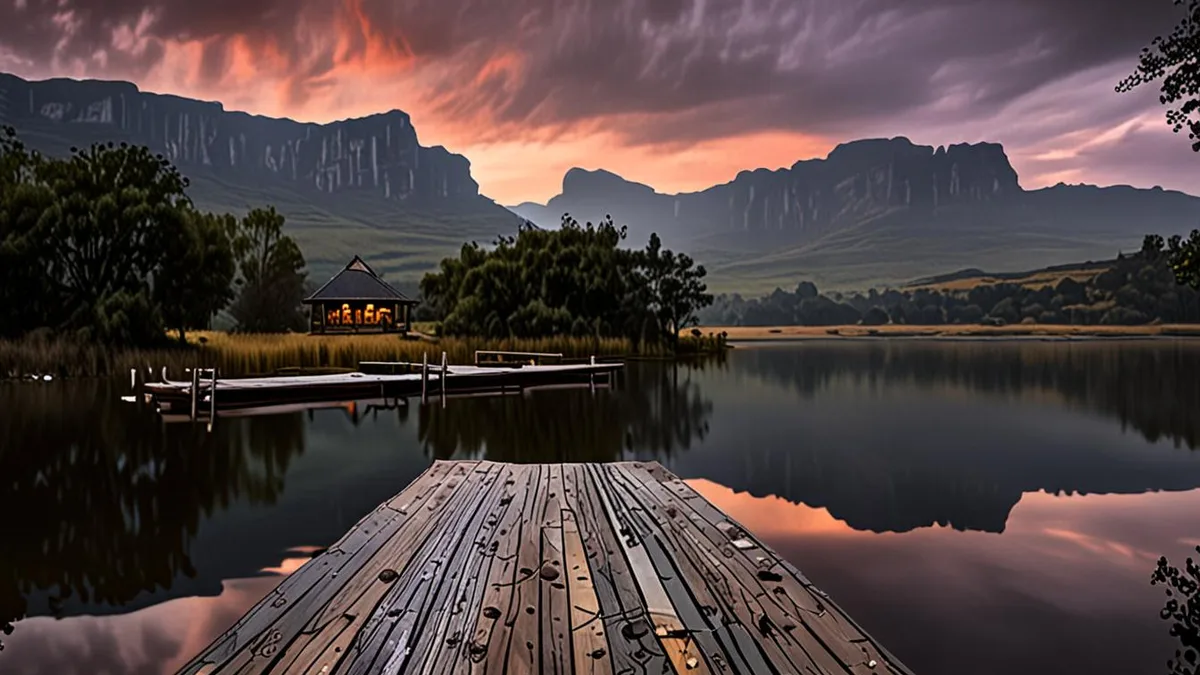
Non-safari lodges follow the same logic. Coastal lodges along the Garden Route and mountain lodges in the Drakensberg generally sit below safari-lodge pricing, since they do not need to fund game drives, trackers and private reserve land. A scenic lodge with hiking trails or beach access can cost a fraction of a Big Five safari lodge, making these regions a smart pick for travelers who want comfort and scenery rather than game drives.
What the Rate Actually Includes
One of the biggest mistakes travelers make when comparing lodge prices is assuming that two lodges charging similar nightly rates offer the same experience. In South Africa, what a rate includes varies enormously between lodge types, and it can swing the real cost of your trip by thousands of rand.
Budget and mid-range lodges typically work on a room-only or breakfast-included basis. If you’re staying outside a game reserve, that’s usually the full picture: you pay for your room, maybe breakfast, and everything else is extra. If the lodge sits near a reserve and offers game drives, these are almost always billed separately, sometimes as a per-drive fee and sometimes as a package add-on. A mid-range lodge that looks affordable on paper can end up costing considerably more once you’ve paid for two drives a day.
Luxury safari lodges play the opposite game. Their nightly rate is usually all-inclusive, bundling all meals, house drinks, and typically two game drives per day into one price. What looks expensive at booking time often works out closer to reasonable once you add up what you’d otherwise spend on meals, drinks and activities elsewhere.
Watch the fine print before you compare prices side by side:
- Per person sharing vs per room: safari lodges usually quote per person sharing, so a “R6,000” lodge actually costs R12,000 for a couple, while budget lodges quote per room — check which system each lodge uses.
- Park or conservation fees: lodges inside or next to reserves often add a daily conservation levy to your bill, and the amount varies by reserve, so ask for the current rate.
- Drinks and extras: some all-inclusive lodges cover house wines and spirits but charge for premium brands, and laundry, spa treatments or bush walks are frequently billed separately.
- Single supplements: solo travelers at per-person-sharing lodges often pay a surcharge, which can push a solo safari well above the advertised rate.
How to Book Lodge Stays for the Best Price
Timing your booking matters almost as much as timing your trip. Popular safari lodges, especially in the Kruger area, fill up months in advance for the June–August peak season. For those dates, aim to reserve 3–6 months ahead to secure the best availability at the lodges you actually want. Leave it later and you’ll often find only the pricier units left, or nothing at all.
Shoulder months are the easiest win for your wallet. Traveling in May or September typically brings noticeably lower rates than peak season, while wildlife viewing remains strong — animals still gather around water sources, and the bush is less dense than in summer. The same budget that buys three nights in July can often stretch to three or four nights in a shoulder month, at a better lodge.
Book direct with smaller lodges
Large booking platforms are convenient, but smaller, owner-run lodges often offer better rates when you contact them directly. They save on commission, and many pass some of that saving on, or throw in extras like a free activity or an upgraded room. Email or call the lodge, mention your dates, and politely ask whether a direct rate is available. It costs you ten minutes and can shave a meaningful amount off your total, particularly on longer stays.
Finally, compare total costs rather than headline nightly rates. A slightly higher direct rate that includes game drives can beat a cheaper platform rate where drives are billed on top. Ask for a written breakdown of what each quote covers before you commit.
Sample Budgets for Different Trip Styles
Putting the price levels together, here’s what realistic five-night lodge trips look like for three common travel styles. These totals cover accommodation, with activities and meals added where relevant, so you can match a trip style to your wallet before you start browsing lodges.
A budget traveler booking self-catering lodges in the R500–R1,200 band can expect the accommodation portion of a five-night stay to land around R2,500–R6,000 total. Add the cost of a rental car, groceries and any paid activities, and you still have one of the most affordable ways to see South Africa’s wilder side.
A mid-range trip, with lodge nights in the R1,500–R4,000 bracket and a couple of paid safari activities or game drives mixed in, typically totals R7,500–R20,000 for five nights. This is the sweet spot for most travelers: comfortable rooms, meals often included, and a genuine taste of the bush without the all-inclusive price tag.
A luxury safari stay is a different universe. With nightly rates from R6,000 up past R25,000, five nights often runs R30,000–R125,000 depending on the lodge tier, though the rate usually bundles meals, drinks and daily game drives.
A few details that shape where you’ll land within these ranges:
- Party size: per-person-sharing pricing at safari lodges means a couple pays roughly double the quoted nightly rate, so a luxury trip for two sits at the upper end of the range.
- Season: booking the same lodge in the November–March green season instead of June–August can move a mid-range trip toward the lower end of its band.
- Activity count: on a mid-range trip, each additional guided drive or bush walk adds to the total, so two activities versus four can shift your budget by several thousand rand.
- Region: choosing a less famous reserve over a Kruger-area lodge often lets you stay a tier higher for the same money.
Planning Your South Africa Lodge Budget
So, how much do lodge stays cost in South Africa? The honest answer is anywhere from roughly R500 to more than R25,000 per night, and the swing comes down to comfort level. A simple self-catering double room, a mid-range lodge with meals and a pool, and an all-inclusive luxury safari camp are very different products with very different price tags.
Three factors move the final number more than anything else: the season you travel, the region you choose, and what the rate actually includes. Once you match your travel window and lodge type to your budget, the cost of your trip becomes far easier to predict. If this helped you plan, feel free to leave a comment or share the article.