If you’ve never stayed at a safari lodge, it’s hard to picture what the experience actually involves. Will your room be a tent or a building? What time do you wake up? Is dinner included, and what happens between game drives? Most first-time travelers can’t answer these questions, which makes it tough to choose the right lodge or pack with confidence.
This guide walks you through the reality of a safari lodge stay, from what the rates typically cover to the daily rhythm of early morning drives and midday rest. We’ll look at the amenities you can expect, how meals and drinks work, what happens on game drives, and how to book smartly for your dates and budget. By the end, you’ll know exactly what to expect from check-in to your final campfire, so you can book the right camp and arrive prepared.
What a Safari Lodge Actually Is
A safari lodge is essentially an all-inclusive wilderness hotel. Your rate typically covers your accommodation, all meals and two guided game drives per day, usually one in the early morning and one in the late afternoon. That means once you’ve paid and arrived, you generally don’t need to carry cash or plan meals — the lodge handles nearly everything during your stay.
The main lodge types
Lodges come in three broad styles. Tented camps use large canvas tents on fixed platforms, often with real furniture and full bathrooms inside. Thatched chalets are solid, roofed rooms that feel closer to a traditional hotel. Main-lodge rooms sit within a larger central building with shared public spaces. Whatever the style, most properties stay small and intimate, often with just 10 to 20 units in total, which keeps the atmosphere quiet and personal.
Living inside the reserve
Because lodges sit inside or right on the border of a wildlife reserve, the animals don’t stay behind fences. Monkeys may raid an unattended bag on your deck, and elephants sometimes stroll through camp at night. Staff escort guests after dark for this reason, and it’s part of what makes a lodge stay feel genuinely wild rather than like a typical resort.
Amenities You Can Expect at a Safari Lodge
Forget any idea of roughing it. Even at tented camps, en-suite bathrooms, outdoor showers and private decks overlooking the bush are standard features, not luxury upgrades. The canvas walls hide surprisingly comfortable interiors, often with proper beds on solid frames, reading lamps, and charging points for cameras and phones. Many tents open onto views of the savanna, so you can watch the landscape wake up without leaving your bed.
The heart of every lodge is its shared space. You’ll find a main dining area where meals are served, a bar for sundowners, a lounge for reading between drives, and usually a plunge pool for cooling off at midday. Evenings center on the campfire boma, an open-air fire pit where guests gather for drinks and stories after dinner. It’s also where guides often recap the day’s sightings, making the boma a good place to learn what to look for on tomorrow’s drive.
- Spa treatments: Higher-end lodges often have treatment rooms offering massages, sometimes in outdoor settings overlooking a waterhole.
- Wi-Fi in common areas: Connectivity is usually limited to the main lodge rather than individual rooms, and speeds can be slow — plan to disconnect.
- Laundry service: Many lodges wash and press your clothes daily, often by hand, which lets you pack light for a week-long trip.
- Curio shops: A small on-site boutique typically sells local crafts, safari clothing, sunscreen and forgotten essentials, usually payable by card or added to your bill.
These extras vary widely between properties, so if a spa day or reliable internet matters to you, confirm it with the lodge before booking rather than assuming it’s included. It’s also smart to ask about the tent or room category you’re reserving, since some camps offer several levels of comfort under the same name. A quick email listing your priorities — power for camera batteries, shade, a pool — helps the camp match you to the right unit and avoids surprises on arrival.
A Typical Day at a Safari Lodge
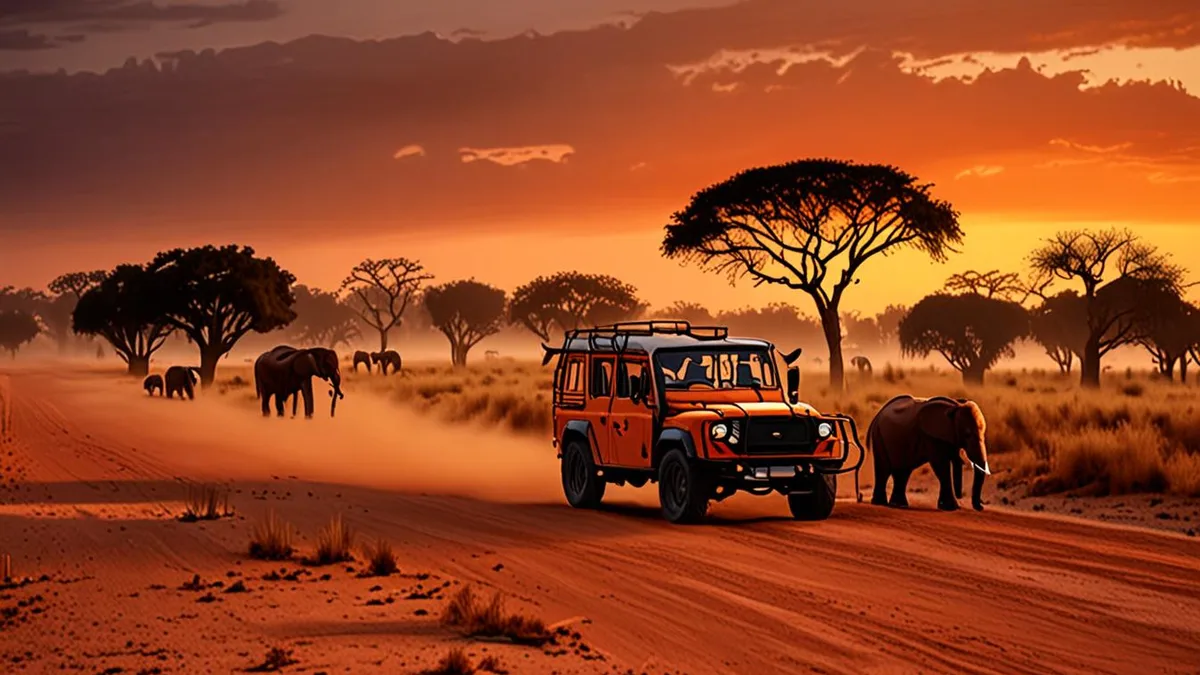
Safari days follow a rhythm shaped by the animals, not by you. Predators hunt in the cool hours, so the schedule starts early and pauses through the midday heat before picking up again in the late afternoon. The structure may sound rigid at first, but it is built around the best possible wildlife viewing, and most first-timers adjust within a day or two. Here’s how a typical day unfolds.
- Wake-up call, 5:30 to 6:30 am. A staff member knocks at your door with coffee or tea, often before sunrise. You dress in layers, since mornings on an open vehicle can be surprisingly cold, even in warm months.
- Light breakfast. A quick spread of fruit, toast, cereal and coffee gets you moving fast — the full meal comes later, after the drive.
- Morning game drive. You head out in the cool hours when lions and other predators are most active, usually returning mid-morning when the heat builds and animals seek shade.
- Midday downtime. A proper brunch follows the drive, then the hours belong to you: swim in the plunge pool, nap in the shade, or watch animals from your deck while the bush rests in the heat.
- Afternoon tea, around 3:30 pm. Cakes, sandwiches and coffee or tea appear in the lounge before you head out again.
- Evening game drive. The drive usually leaves around 3:30 to 4:00 pm and returns by sunset, often with a sundowner stop along the way.
- Dinner and campfire. After a shower and a change of clothes, dinner is served, then everyone drifts to the fire to compare sightings from the day.
The routine repeats almost identically each day of your stay, and most guests find it quickly becomes second nature. The early starts are the hardest adjustment, but they’re also when the bush is at its most rewarding. Pack a warm fleece for mornings, keep your camera charged overnight, and let the guides do the worrying — after your first sunrise drive, you’ll understand why the schedule is worth it.
Meals, Drinks and Dining Routines
Food is a bigger part of the safari experience than most first-timers expect. Because lodges are usually all-inclusive, you’ll get three meals a day plus afternoon tea before your evening drive. Breakfast is typically a buffet with eggs cooked to order, while dinners are often plated and served around a shared table or in the boma under the stars.
Bush breakfasts and special setups
On longer morning drives, guides often stop at a scenic spot for a bush breakfast: coffee brewed over a fire, fresh fruit, pastries and eggs served right in the middle of the savanna. Some lodges also arrange private dinners on your deck or a sundowner spread during the evening drive. These moments tend to be the ones guests remember most, so mention any special occasion when you book.
Menus lean on local ingredients and fresh produce, and many lodges serve locally sourced game meat as part of their dinner rotation. Vegetarian, vegan and allergy-friendly options are usually accommodated, but tell the lodge in advance rather than at dinner on arrival night. Kitchens are often small and remote, so a heads-up a few weeks ahead makes everything easier.
Drinks policies vary more than meals do. Many mid-range and luxury lodges include house wines, local beers and soft drinks in the rate, while premium imported brands, champagne and speciality cocktails may appear on an extra bill. If drinks matter to your budget, ask exactly what’s covered before you book, and skim a breakdown of what lodge stays cost in South Africa to see how inclusions differ across price levels.
Game Drives and Guided Activities
The game drive is the heart of any lodge stay, and it’s a more structured operation than most people realize. You’ll climb into an open 4×4 vehicle that seats 4-8 guests, each with a window seat and a raised viewpoint for photography. A professional guide drives and narrates, and on many reserves a second staff member, the spotter, sits up front scanning the bush for tracks and movement.
How guides find the animals
Here’s the part that surprises newcomers: guides rarely work alone. Most reserves use radio communication between vehicles, so when one guide finds a leopard in a tree or a lion pride on a kill, the sighting is shared and nearby vehicles converge carefully. This is why lodges in the same concession can all deliver great sightings, and why your guide sometimes suddenly changes direction mid-drive. If you’d like a deeper look at how this works day to day, our guide to safari lodges in Kenya covers what to expect and when to book.
Drives aren’t the only activity on offer. Depending on the reserve’s rules, you may be able to join a guided bush walk with an armed ranger, head out on a night drive to spot nocturnal species, or visit a nearby cultural village to meet local communities. Walking safaris in particular change how you see the bush, since your focus shifts from big game to tracks, dung, birds and plants. Ask at check-in which activities are included in your rate and which carry a supplement, and book the popular ones early, as spots on walks and night drives are often limited to a few guests per day.
Booking, Budgeting and When to Go
Timing your booking matters more at safari lodges than at almost any other type of hotel. The best camps are small, often just 10-20 units, so a single week of peak-season demand can fill a property months ahead. For East Africa, peak season runs from June to October, coinciding with the Great Migration and dry, cooler weather. If you have your heart set on a specific lodge or a specific tent, plan on reserving 6-12 months in advance. Last-minute deals exist, but they usually mean compromising on camp, room type or dates.
Budgeting is simpler once you understand rate structure. Mid-range all-inclusive lodges commonly run $250-600 per person per night, covering your room, meals and usually two daily game drives. Traveling in the green season, from November to April, can drop rates by 30-40%, and many travelers find the shorter grass, newborn animals and fewer vehicles make it a fair trade for some rain. If you’re weighing rates against inclusions, it helps to know exactly what a typical package covers before comparing quotes.
Before paying a deposit, confirm what’s actually included in the quoted rate. A few items that catch travelers off guard:
- Park and conservation fees are often billed separately and can add a meaningful per-person, per-day cost to your total.
- Airport or airstrip transfers may only be included if you book the lodge’s own charter or package deal.
- Premium drinks, cellar wines and imported spirits frequently sit outside the house-drinks allowance.
- Laundry service is sometimes free at luxury camps but a paid extra at mid-range lodges.
- Gratuities for guides and camp staff are usually expected in cash and are rarely part of the quoted price.
Wrapping Up Your First Safari Lodge Stay
A safari lodge bundles lodging, meals and twice-daily game drives into one seamless experience, which is exactly what makes a first safari so easy to enjoy. You wake before dawn for a morning drive, spend the hot middle of the day resting by the pool or napping, then head out again in the late afternoon before dinner and campfire stories. That reliable rhythm takes the guesswork out of your days, so all you really need to prepare is the right clothing, a camera and a sense of patience.
Because the best camps fill up fast, booking 6-12 months ahead for peak season locks in the best camps and rates. Once your stay is confirmed, most of the planning is done for you, and you can simply look forward to the wildlife moments that make a safari unforgettable. Have you stayed at a safari lodge yet? Share your experience or questions in the comments below, or pass this article along to a friend planning their first trip.