Dreaming of a night in a Maldives overwater bungalow is easy. Knowing what you actually get for your money, and what a realistic budget looks like, is harder. Most travelers picture a thatched villa on stilts, but few know how large these villas really are, what the nightly rate typically includes, or how much seaplane transfers and meal plans add to the bill.
This guide walks you through the whole picture. We cover what Maldives overwater bungalows are actually like day to day, how much they cost per night, when to book for the best prices, how to choose the right atoll and resort layout, ways to lower the total cost, and what to pack and expect once you arrive. By the end, you will be able to plan a stay that fits both your expectations and your wallet.
What Maldives Overwater Bungalows Are Actually Like
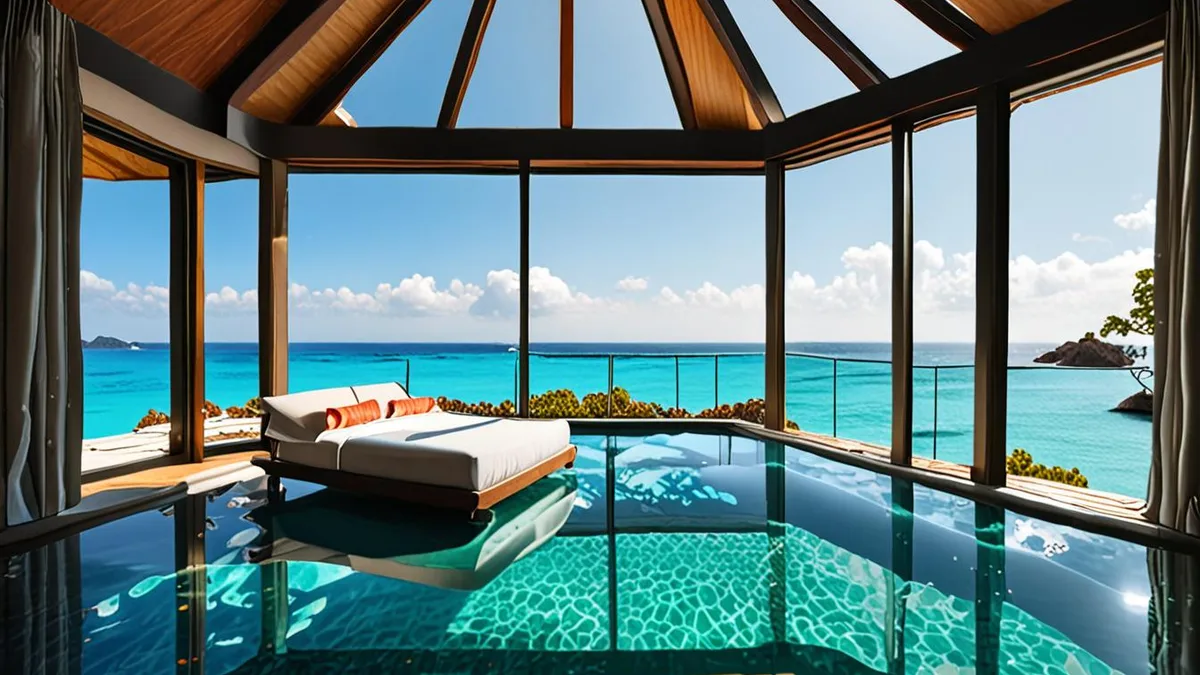
Most overwater villas in the Maldives are far roomier than the photos suggest. Typical villas span 60-150 square meters, which means even the entry-level category usually offers a separate sleeping area, a large bathroom and generous space to spread out. Every villa opens onto a private deck with sun loungers, and the defining feature is the ladder that drops you straight into the lagoon for a swim before breakfast.
Signature features you can expect
Many villas include a glass floor panel or viewing section where you can watch fish pass beneath your feet, especially at night when the lights attract marine life. Outdoor showers are common, often set on the deck or in a private garden area, and floor-to-ceiling windows frame the ocean from the bed and living space. Some higher categories add a small plunge pool on the deck, though this varies by resort and villa type.
How much privacy you actually get
Privacy depends heavily on the resort’s layout. Some properties space their villas widely apart on individual jetties, so you rarely see your neighbors. Others line villas along a single long jetty, which can put you within a few meters of the next deck. Before booking, check the resort map and ask which jetty your villa sits on, since the same villa category can feel very different depending on where it is placed.
How Much Maldives Overwater Bungalows Cost Per Night
The price of an overwater villa varies more than most travelers expect, so it pays to look closely at what a rate actually includes before you commit. Expect $800-$2,500 per night for most overwater villas, with flagship suites above $4,000 at the most exclusive resorts. That base rate usually covers the villa itself and often breakfast, but not much else. Taxes and service charges are typically added on top, and many resorts require a minimum stay of 4-5 nights, especially in peak season, which can push the total for a short trip higher than the nightly figure suggests.
The biggest variables are your meal plan and your transfer. All-inclusive packages often add 30-50% over room-only rates, but they cover meals and drinks, which matters in the Maldives because there are no restaurants or shops to escape to once you are on the island. Seaplane transfers from Male cost roughly $300-$600 per person return depending on distance, and this fee is frequently quoted separately from the room rate. Ask the resort for a full quote including both before comparing properties, otherwise you may be comparing two very different totals.
- Room-only rates can be misleading. A villa that looks affordable at first glance may double in cost once you add dinners, drinks and even bottled water, since resort pricing on remote islands reflects the logistics of importing everything.
- All-inclusive often includes more than food. Many packages bundle non-motorized activities such as snorkeling gear, kayaks or guided reef trips, which can offset the higher nightly rate if you plan to stay active.
- Transfer costs scale with distance. Resorts on atolls close to Male may be reachable by speedboat, while distant atolls require a seaplane, and the per-person return price rises with flight time and distance.
When to Book for the Best Prices
Timing your booking makes a bigger difference in the Maldives than in most destinations, because room rates swing sharply with the seasons. The dry season runs from November to April, and this is when demand peaks. Weather is at its best, but so are the prices, and the most desirable villa categories often sell out long before the season starts.
Booking ahead for high season
For November-April dates, reserve 6-12 months ahead. Early booking gives you the widest choice of villa types and jetty positions, and some resorts reward early commitment with better rates or added perks. Waiting until a few months out during high season usually means paying more for whatever is left, often in the least private locations.
The shoulder season trade-off
From May to October, prices drop and occasional rain becomes part of the deal. Shoulder season can cut rates 20-40%, which on a villa at the top of the price range is a substantial saving. Showers tend to pass rather than last all day, and many travelers find the trade-off worthwhile. For these dates, booking 3-6 months ahead is typically enough.
One more thing to check before you book: many resorts enforce a minimum stay of 4-5 nights, especially in peak season. This affects how you combine flights and transfers, so confirm the minimum for your specific dates before planning the rest of the trip.
Choosing the Right Atoll and Resort Layout
The Maldives is made up of around two dozen natural atolls, and where your resort sits makes a real difference to both your transfer and your experience. Atolls close to Male, the capital, are usually reached by a short speedboat ride, which is cheaper and means you can often be at your villa within an hour of landing. Distant atolls require a seaplane, which costs more but rewards you with a genuine sense of remoteness and often more dramatic house reefs.
If snorkeling is your priority, pay attention to the house reef rather than the villa brochure. A mediocre 100-square-meter villa over a sandy lagoon will disappoint far more than a modest one perched above a coral drop-off where reef sharks and turtles pass by daily. Resorts usually describe their house reef on their website, and many map where it sits relative to the villas.
Before booking, study the resort map carefully. Layout affects privacy enormously, and it is the detail most travelers skip. Look for:
- Jetty length and shape: a long, single jetty lined with villas means neighbors on both sides, while curved or branched jetties with wider spacing give each deck more separation.
- Villa orientation: villas facing sunrise or sunset get very different light through the day, and some face open ocean while others look across the lagoon toward another island.
- Distance from shared facilities: villas near the main restaurant, dive center or arrival jetty trade seclusion for convenience, which matters if your deck faces a walkway.
Ways to Lower the Cost of Your Stay
Overwater bungalows carry a premium, but there are reliable ways to trim the bill. The single biggest lever is timing your trip. Traveling between May and October puts you in the shoulder season, when resorts drop rates to fill villas and you trade a small chance of passing showers for serious savings. If you are set on the dry season instead, target early-bird promotions: many resorts release their best rates well before peak demand tightens availability, so the earlier you lock in high-season dates, the better your odds of a discount.
You also do not need to spend every night over the water. A popular strategy is booking a beach villa for most of your stay, then upgrading to an overwater bungalow for the final two or three nights as a highlight. You still get the lagoon-ladder experience and the wake-up-over-the-ocean moment, at a fraction of the cost of a full overwater stay. Before you plan this, check whether the resort enforces minimum-stay rules on either villa category, since some do in certain periods.
Rethink your meal plan too. All-inclusive packages can be excellent value or money down the drain depending on your habits. If you are light eaters who plan to order room service once and snorkel the rest of the day, room-only plus a half-board option may suit you better. Couples who want zero bill anxiety, especially those who enjoy cocktails with dinner, usually come out ahead with all-inclusive. Run an honest estimate of what you would actually eat and drink each day, then compare the two options for your specific trip rather than assuming one is always cheaper.
What to Pack and Expect On Site
Packing for an overwater bungalow is different from a typical beach holiday. You will be in and out of the water several times a day, walking on hot decking and sunbathing under equatorial sun, so a small, deliberate bag beats an overstuffed suitcase. The sun is intense year-round, and coral ecosystems are fragile, so what you put on your skin matters as much as what you wear.
Once you arrive, the resort’s rhythm takes over your days. Housekeeping typically visits daily, often twice, and in-villa dining means you can have meals delivered to your deck if you would rather not walk to a restaurant. Keep in mind that boats and seaplanes run on schedules, and your arrival or departure transfer may mean waiting or an early start, so plan excursions and spa appointments around those fixed times rather than against them.
On the comfort side, expectations are high and usually met. Wi-Fi, air conditioning and a stocked minibar are standard across even mid-range resorts. The main trade-off is on remote islands, where evening entertainment can be limited to a quiet bar or nothing at all, which is exactly the point for many guests. Beyond clothing, a few items earn their space:
- Reef-safe sunscreen: regular formulas can harm the coral you are swimming over, and resorts increasingly ask guests to use reef-friendly options on their house reefs.
- Water shoes: lagoon floors and old jetty ladders can be rough on bare feet, and coral rubble heats up badly by midday.
- Light cover-ups and a rash guard: a long-sleeved swim shirt lets you snorkel for an hour without burning, which sunscreen alone often cannot prevent in equatorial conditions.
Wrapping Up Your Overwater Bungalow Plan
A Maldives overwater bungalow is far more attainable than most travelers assume once the picture is clear. Your nightly rate will typically land between $800 and $2,500, plus seaplane or boat transfers, and choosing the May-October season can shave a meaningful amount off that total. What the stay actually includes is equally straightforward: a spacious villa with a private deck and lagoon access, meals and drinks if you opt for an all-inclusive plan, and a daily rhythm shaped by housekeeping, in-villa dining and scheduled transfer times.
The key to keeping the dream affordable is simple: book 6-12 months ahead, balance villa type, atoll distance and meal plan against your real habits, and stay flexible on dates. Do that, and the trip becomes a matter of planning rather than luck. If this helped you price out your own trip, leave a comment or share the article with a fellow traveler.