Glamping in Europe sounds dreamy in theory: a cozy dome under the stars, a safari tent overlooking a lake, a wood-fired hot tub on the deck. In practice, choosing when to go is where most travelers get stuck. Pick the wrong month and you can end up sweating through a stuffy tent, shivering through a damp night, or paying peak-season prices for a site that feels like a festival ground.
This seasonal guide walks through what each part of the year actually delivers. We look at why timing matters more for glamping than for a regular hotel stay, what summer’s peak season really costs, and why the shoulder months of May, early June and September often hit the sweet spot. Then we break down regional windows: the Mediterranean’s spring and autumn magic, the short but spectacular Alpine and Nordic season, and the rise of heated winter domes. By the end, you should know exactly which month fits your priorities, whether that’s warmth, budget or scenery.
Why Timing Matters for Glamping in Europe
Glamping feels closer to nature than a hotel stay, and that’s exactly why the season you choose matters so much. A city hotel buffers you from the weather outside; a tent or dome doesn’t. Walls are typically canvas or insulated fabric, so a cold, wet night is something you genuinely feel. If you run cold or you’re a light sleeper, picking a month with reliable conditions makes the difference between a magical trip and a miserable one.
Think about how you actually sleep, too. Canvas walls mean you hear every gust of wind, every rain shower and every owl in the trees. Some travelers find this wonderful; others lie awake at 2 a.m. wondering why they didn’t book a hotel. If you’re in the second camp, choose a season known for calm, dry weather rather than rolling the dice on a stormy month.
Your packing list changes with the season as well. Warm months call for little more than swimwear, layers for cool evenings and good walking shoes. Cooler months demand proper thermals, thick socks and a warm hat, even in a heated unit, since you’ll be stepping outside for bathrooms, dining areas or evening stargazing. Check what each site provides before you go, as bedding, heating and towels vary widely between operators.
Summer: June to August Peak Season
Summer is when glamping in Europe hits its stride. From June to August, most of the continent enjoys its warmest and most reliable weather, which makes it the safest bet for lakeside sites where you actually want to swim, and for mountain locations where you can leave the heavy layers at home. A deck breakfast without a fleece, an evening fire pit that doesn’t require a survival instinct—this is the season when those outdoor perks earn their keep.
Daylight is the other big draw. June brings the longest days of the year, and the further north you go, the more dramatic it gets. In the Nordics, evenings stretch toward near-endless light, so you can paddle a lake or sit around the fire well past what would be bedtime elsewhere. If you’ve ever wanted to read outside at eleven at night, this is your window.
The Trade-Off: Crowds and Prices
All that sunshine comes at a cost. Summer is peak season, which means the highest rates of the year and the busiest sites, especially family-friendly spots near lakes and coastlines. Popular domes and safari tents in sought-after regions often sell out long before the school holidays arrive, so book 3-6 months ahead if you have your heart set on a specific unit or view.
A few practical tips: midweek dates are typically easier to secure than weekends, and sites slightly away from the most famous lakes and national parks tend to be calmer without sacrificing scenery. If your chosen site offers shaded pitches or well-ventilated units, ask about them when booking—July and August nights can still feel warm inside a tent in southern regions.
Shoulder Seasons: May, Early June and September
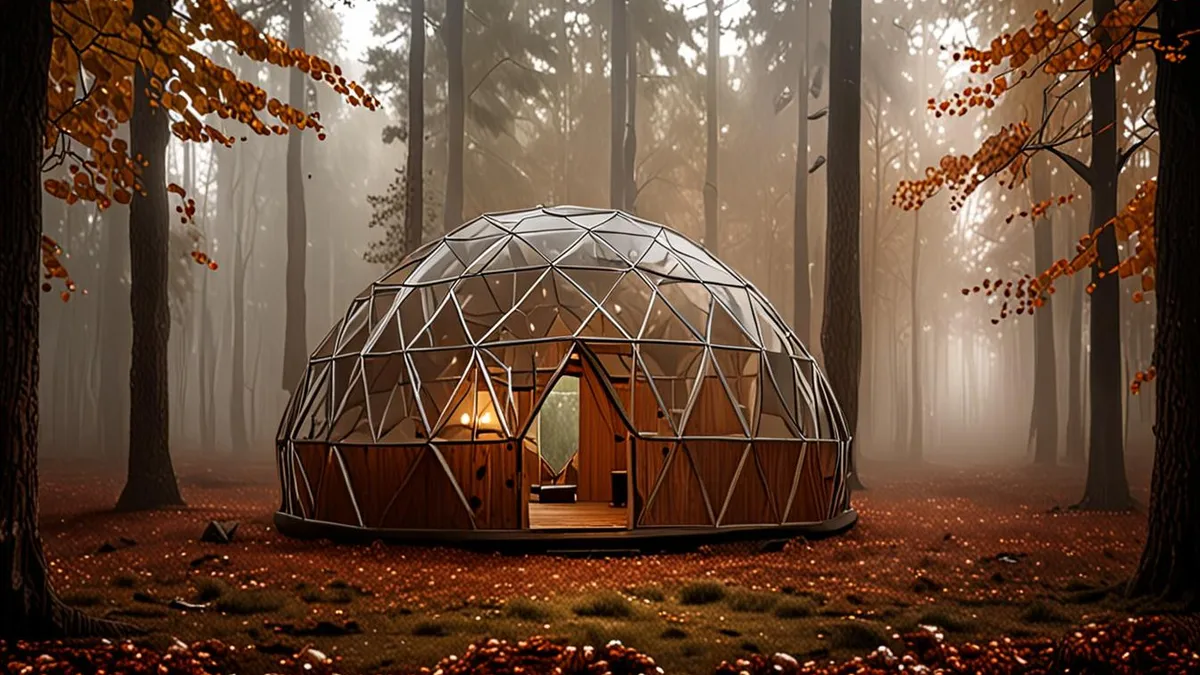
If you are new to glamping, the shoulder seasons are hard to beat. May brings mild temperatures, fresh green landscapes and noticeably fewer families on site, since school holidays have not started yet. You get the full glamping experience, from morning coffee on the deck to an evening fire pit, without having to queue for the communal kitchen or fight for a sun lounger.
Why September deserves a second look
September is the quiet star of the glamping calendar. In the Mediterranean, the sea stays genuinely warm after the summer heat, so swimming and water sports remain very much on the menu. On top of that, rates typically drop 20-40% compared to August for the same tent or dome, which can make a big difference if you are eyeing a premium safari tent or a stargazing dome.
Early June works in a similar way. The weather in most of Europe is already warm enough for lazy afternoons outside, but the summer crowds have not fully arrived. Sites feel relaxed, and availability is usually easier to secure without booking far in advance.
For first-time glampers, these months offer the best overall balance of price, availability and peace and quiet. You avoid both the premium rates of peak summer and the risk of chilly nights, while still enjoying long, usable days outdoors. Just remember that popular sites can still fill up on weekends, so booking a few weeks ahead is a sensible habit even outside high season.
Mediterranean Glamping: Spring and Autumn Sweet Spots
Coastal Spain, Italy, Greece and Portugal are at their glamping best from April to June and September to October. During these windows you get warm, sunny days without the intense heat that makes canvas uncomfortable, and the beaches and coastal paths are noticeably calmer than in midsummer.
July and August are a different story. Temperatures can push the inside of a tent or dome well above comfortable sleeping levels, especially in the afternoon. Some upscale sites have strong air conditioning, but many rely on fans and shade alone. If you do travel in peak summer, check the cooling setup before you book and favor units positioned for a sea breeze.
Why autumn works so well
September and October might be the sweetest spot of all. The Mediterranean Sea holds onto its summer warmth for weeks, so swimming is still genuinely pleasant, yet rates drop and sites quiet down. It is also harvest season: stays in Italian, Spanish or Portuguese wine regions pair your mornings on the deck with vineyard tours, local food festivals and fresh-pressed olive oil. Bring a light layer for evenings, and check whether on-site restaurants and facilities still run their full schedule late in the season.
Alpine and Nordic Glamping: Short but Stunning
The Alps and Nordic countries offer some of the most dramatic glamping settings in Europe, but the trade-off is a short season. Most alpine and Nordic sites generally operate from May to September only, closing for winter unless they run specialized heated units.
Picking your window
July and August are the safest months for a mountain or Nordic stay. Trails are clear, ferries and lifts run their full schedules, and daytime temperatures are warm enough to enjoy the deck, sauna or fire pit. If you have your heart set on June, keep in mind that lingering snow can persist at higher elevations early in the month, and some sites open late. Check the exact opening dates with the site itself before booking rather than assuming the full season applies.
September deserves a special mention. Autumn colors sweep through the larches and birches, and photographers travel specifically for this window. The light is softer, the crowds thinner and the scenery arguably at its most beautiful. The catch is temperature: nights can be genuinely cold, so pack warm layers, thick socks and something cozy for sitting outside after dark. Confirm that your unit has adequate heating if you are booking late in the season.
Winter Glamping: Heated Domes from December to March
Glamping does not have to end when the cold arrives. A growing number of sites in the Alps and the Nordic countries run insulated, heated domes from December to March, turning a canvas stay into a snow-globe experience. Expect wood stoves or electric heating, thick bedding and large windows designed to make the most of snowy scenery.
Chasing the northern lights
One of the biggest draws of a winter dome is the sky. Northern sites in Scandinavia and other high-latitude spots can offer aurora viewing on clear winter nights, sometimes straight from your bed or a hot tub outside. Keep in mind that sightings are never guaranteed; clear, dark skies and some patience matter. Many guests stay several nights to improve their chances, and snow-based activities such as husky sledding or snowshoeing often fill the daytime hours.
Timing has a big impact on price and atmosphere. Rates around Christmas and New Year sit at a premium, and sites fill early for those festive weeks. January, by contrast, tends to be the quieter value window: you still get deep snow and long, dark nights suited to aurora watching, often at gentler prices and with far fewer neighbors. If a cozy winter break sounds appealing, book early regardless of month, since heated units are limited in number at most sites.
Choosing Your Ideal Month
So, when should you go? If you want the simplest answer: summer suits first-timers who want reliable warmth and long days, while the shoulder seasons reward travelers who put price and peace first, with rates typically 20-40% lower than July and August. For a coastal trip, aim for late spring or the early autumn weeks on either side of peak summer. Alpine and Nordic sites generally run May to September, and heated winter domes open from December to March.
The right month really comes down to what matters most to you. If comfort is the priority, aim for peak warmth. If budget leads the way, skip the crowds and book shoulder season. And if scenery is the goal, think autumn colors or snowy nights under the aurora. Whichever you choose, glamping in Europe rewards a little planning. Have a favorite season for a night under canvas? Share it in the comments or pass this guide along to a fellow traveler.