Most travelers planning a trip to New Zealand want the same thing: a remote base where the wilderness starts at the doorstep, not an hour down the highway. The problem is that “wilderness lodge” covers everything from simple trailside cabins to all-inclusive luxury retreats, and the best choice depends heavily on which region you visit and when. Pick the wrong season in Fiordland or the wrong lodge style on the West Coast, and a dreamy nature escape can turn into a logistical headache.
This guide to New Zealand wilderness lodges walks you through what actually matters. We cover why lodges near national parks suit nature-focused trips, the best regions from Fiordland to the Bay of Islands, realistic booking timelines and costs, and how to choose between guided-experience lodges and self-catering cabins. You’ll also find advice on planning around weather and seasons, tips for getting the most from your stay, and a short wrap-up to pull your trip together.
Why New Zealand Wilderness Lodges Suit Nature-Focused Trips
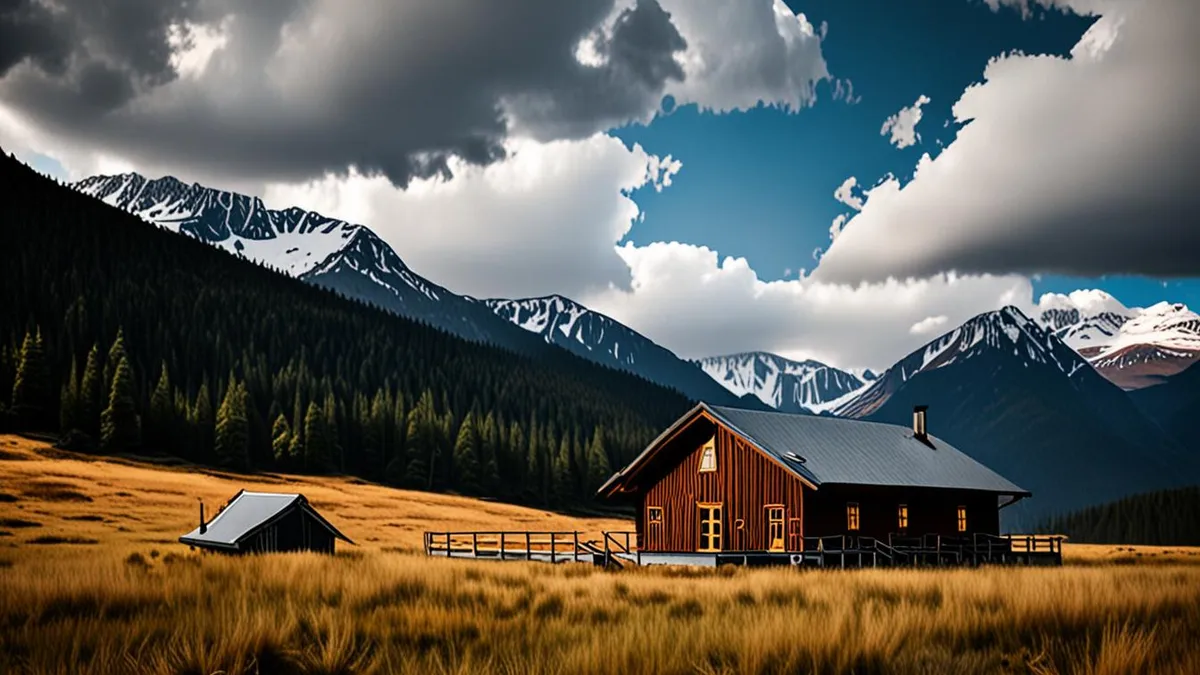
The biggest advantage of New Zealand wilderness lodges is simple: location. Many properties sit inside or right beside national parks, so you step out of your room and onto trails, lake shores or native forest paths within minutes. There are no daily transfers, no parking hassles and no long drives back to town after a hike. You can fit in a dawn walk, a full-day trek and an evening stroll without ever touching the car.
Size matters too. These are typically small properties with a limited number of rooms, which means quiet surroundings, genuinely dark night skies and a far better chance of wildlife encounters. Depending on the region and lodge, that can mean hearing tui and kereru in the canopy each morning, or watching fur seals along a coastal stretch nearby. The bush comes to you rather than the other way around.
Guides who know the land
Many lodges employ local guides who lead guided hikes, kayaking trips and birdwatching sessions as part of the stay. These guides bring depth you would struggle to find alone: they know where native orchids bloom, which track is sheltered on a wet day and where a rare bird was last seen. For travelers who want to understand the landscape rather than just look at it, this included expertise is often the reason a lodge stay beats a standard hotel.
Best Regions for Wilderness Lodges
New Zealand is long and varied, so the right region depends on the landscapes you want outside your window. Fiordland and Te Anau are the classic choice: rainforest, fjords and dramatic alpine scenery, with Milford Sound roughly 2 hours’ drive from Te Anau. Basing yourself here lets you explore the fjords and walking tracks without day-tripping from a distant city.
The West Coast is the wild, wet heart of the South Island. Lodges are strung along the coast between Greymouth and Fox Glacier, putting you within reach of glacier country and lowland rainforest in a single region. Further inland and south, Central Otago and Mackenzie Country trade rainforest for golden tussock landscapes and some of the clearest night skies in the country, particularly near Aoraki/Mount Cook.
- Tongariro: The North Island’s volcanic plateau offers alpine walking across lava fields and emerald crater lakes, with lodges as a base for the region’s famous tracks.
- The Coromandel coast: A gentler option combining forested ridgelines with beaches and coastal walks, good for travelers mixing hiking with swimming.
- Bay of Islands: Subtropical bush meets sheltered bays in the far north, where lodges pair forest walks with kayaking and boat access to secluded shorelines.
Each region has its own rhythm of weather and wildlife, so think about which landscape you want to wake up to before comparing individual lodges.
When to Book and What Wilderness Lodges Cost
Wilderness lodges in New Zealand are popular with a small pool of guests, and the best rooms go early. For stays during the peak summer months of December to February, reserve 3 to 6 months ahead. Luxury properties need even more lead time: aim for 6 to 12 months if you have your heart set on a specific high-end lodge. If you are flexible on dates, the shoulder months of October and April to May bring lower rates and fewer crowds while keeping most trails open.
What you can expect to pay
Rates vary widely by style and location. Simple lodge rooms typically start around NZD 250 per night, while all-inclusive luxury lodges can reach NZD 1,200 or more per night, usually with meals and guided activities bundled in. Mid-range properties fall somewhere between, so decide early whether you want a bare-bones base or a full-service experience, as that choice shapes both your budget and your booking timeline.
It also helps to compare lodges across countries before committing. If you are weighing options for a bigger trip, reading about wilderness lodges for nature travelers in Canada can give you a useful sense of how pricing, inclusions and remote access compare elsewhere. Whichever country you choose, check current rates directly with lodges, as prices shift season to season.
Choosing the Right Lodge Style
Wilderness lodges in New Zealand come in several distinct styles, and picking the right one shapes your whole trip. The biggest divide is between fully hosted lodges and self-catering cabins, and each suits a different kind of traveler.
Guided-experience lodges bundle meals, daily activities and often transfers into one rate. This makes them a strong choice if you are traveling without a car, since the lodge handles everything from airport pickups to trailhead drop-offs. You simply arrive, and the hiking, kayaking or birdwatching is organized for you.
Self-catering wilderness cabins work differently. You get a well-equipped kitchen, a quiet setting and the freedom to hike when you want, cook what you want and change plans on a whim. Hikers who like flexibility and want to keep nightly costs down tend to prefer this style.
Before you book, check how you actually get to the property. Access can be the hidden cost of a remote stay.
- 4WD-only roads: Some lodges sit at the end of rough gravel tracks where a standard rental car is not permitted, so the lodge runs its own shuttle for a fee.
- Boat arrivals: Lake and fjord-side properties may ask you to meet a scheduled water taxi at a specific jetty, which means timing your arrival carefully.
- Light aircraft transfers: A handful of the most remote lodges are reached by small plane, which adds spectacular scenery but also extra cost and baggage limits.
Planning Around Weather and Seasons
Weather is the single biggest factor in a New Zealand wilderness trip, and it varies sharply by region and elevation. The good news is that the country’s seasons are predictable enough to plan around if you know what to expect.
Fiordland is the wettest corner of the country, receiving around 200 rain days per year. That rain is part of what makes the region so lush, with waterfalls at full force after a downpour. Pack proper waterproofs, quick-drying layers and a dry bag for camera gear, and build a flexible itinerary with indoor or short-visit options in case a boat cruise or multi-day hike gets washed out.
The best window for hiking and kayaking
For the most reliable conditions nationwide, aim for November to April. Trails are generally clear, daylight stretches late into the evening, and kayaking on lakes, fjords and coastal waters is at its calmest. This window includes the height of summer, when lodges are busiest, so book well ahead.
Winter, from June to August, still works well for lowland and coastal lodges, where days can be crisp and clear and crowds thin out. Alpine locations are a different story: snow arrives, some passes close, and access to high-country properties can be limited. If a winter trip appeals, choose a lodge at lower elevation and confirm road conditions with your host before setting out.
One more practical note: many remote lodges sit 1 to 3 hours’ drive from the nearest major town, so check the weather forecast for the whole route, not just your destination. A sunny morning in town can mean rain or fog over the last stretch of road, and mountain passes can change quickly. Keep fuel topped up and let your lodge know your expected arrival time if conditions look uncertain.
Making the Most of a Wilderness Lodge Stay
A wilderness lodge stay rewards a bit of planning. The best experiences are often the ones that are not advertised prominently, and the worst disappointment is arriving to find a full activity schedule.
Small lodges cap group sizes on guided hikes, kayaking trips and birdwatching outings, sometimes to just a handful of guests per guide. Book any guided activities at the same time as your room rather than waiting until you arrive, especially in the December to February peak. If you are staying several nights, ask the lodge to spread activities across your stay so you keep time to simply sit and watch the birds.
Give each lodge enough time to earn its location. A stay of 3 to 4 nights justifies the long drive on remote roads and lets you settle into the rhythm of the landscape, rather than packing up just as you have learned where the tui feed in the morning.
Finally, ask about the extras. Many lodges run sessions that cost nothing additional but rarely make the website.
- Dark-sky viewing: Remote locations mean minimal light pollution, and some hosts set up telescopes or point out southern constellations like the Southern Cross and the Magellanic Clouds.
- Dawn wildlife walks: Early-morning walks with a guide often catch native birds at their most active, plus occasional fur seals or coastal species depending on the lodge’s setting.
Wrapping Up Your New Zealand Lodge Trip
A wilderness lodge is often the best answer to a simple problem: you want to wake up inside New Zealand’s landscapes, not drive to them. The regions covered here each deliver that in a different way, from the rainforest and fjords of Fiordland to glacier country on the West Coast and beyond. Pairing the right region with the right season matters most, since alpine spots and lowland coastal lodges suit very different months.
Timing does the rest. Booking 3 to 6 months ahead secures summer stays, while shoulder months bring lower rates and quieter trails without closing the country down. Match the lodge style to how you travel, whether that means guided experiences bundled into your rate or a self-catering cabin with room to breathe. Get those three choices right, and a nature-focused lodge trip practically plans itself. If this helped you sketch out your own itinerary, share it or drop a comment below.