You’ve found a gorgeous listing, clicked “book,” and packed your bags — only to arrive at a shared-dining lodge when you wanted a private cabin, or a self-catering cabin when you needed full-service comfort. It happens constantly, because travelers book these three stay types interchangeably. Settling the lodge vs cabin vs chalet question before you reserve is the difference between a base that fits your trip and one that fights it.
This guide breaks down what actually defines each one, how price and value compare, and which stay type suits each season, from alpine winters to northern summers. We’ll also match each option to your travel group size, cover booking lead times so you lock the best rate, and look at where each stay type performs best by region. By the end, you’ll know exactly which one to search for — and why.
What Defines a Lodge, a Cabin and a Chalet
The fastest way to tell these three apart is to look at what they are built for. Each stay type solves a different travel problem, and understanding that purpose makes the choice almost automatic.
What each type actually is
A lodge is a larger property built around shared facilities. Most lodges have a restaurant, a lounge or common area, and often guided activities such as game drives, hikes or boat trips organized on site. You check in, and the property handles meals, plans and logistics for you. That full-service model is the core of what a lodge offers.
A cabin is the opposite approach: a small, self-contained wooden unit, usually self-catering with its own kitchen. Cabins are built for privacy, set apart from neighbors, and suited to travelers who want to cook their own meals and keep to themselves.
A chalet is an alpine-style wooden house, typically multi-bedroom, and most common in ski regions. Unlike a cabin, a chalet is designed for groups sharing one roof, often with generous living space and, in many alpine destinations, meal service included.
Size is the clearest divider
When descriptions blur, capacity settles it. Cabins typically sleep 2-6 guests, which makes them couple and small-family territory. Chalets usually accommodate 6-14 people, ideal for families traveling together or groups of friends. Lodges often host 20-100+ guests at once, functioning more like small hotels with personality. If you know your group size, you already know which of the three you should be searching for.
Lodge vs Cabin vs Chalet: Price and Value Compared
Price differences between these stay types are real, but the sticker rate alone is misleading. A cheap nightly price with no meals can cost more overall than a pricier lodge that bundles everything in. The trick is comparing total trip cost, not the number on the booking page.
Budget cabins commonly run $60-150 per night, and part of that low rate comes from self-catering. You buy and cook your own food, which keeps costs down if you are near a grocery store, but adds work and logistics. Peak-season lodges typically cost $150-400 per night, yet that rate often covers meals, guided activities and on-site staff, so the gap narrows once you add up what you would otherwise pay separately.
Chalets work differently again. Split between a group, the per-person cost can undercut lodge pricing in ski season, especially when the house has enough bedrooms to fill. Half-board chalets, which include breakfast and dinner, reduce food costs sharply in expensive alpine resorts where restaurant prices climb fast.
- Self-catering math: a cabin kitchen lets you prepare breakfast and dinner daily, which matters most in remote areas where the nearest restaurant may be a long drive away.
- Lodge bundles: when guided excursions and three meals are included, a lodge’s nightly rate often replaces several separate bookings you would otherwise arrange yourself.
- Group splitting: a 10-person chalet divided among friends frequently beats booking five separate lodge rooms for the same week.
- Half-board savings: in alpine resorts, a chalet with breakfast and dinner included shields you from peak-season restaurant bills for two meals a day.
Which Stay Type Fits Each Season
Each stay type has a season where it performs at its best, and booking against that rhythm pays off. Get the timing right and you pay less while enjoying the property at its peak.
Ski chalets shine December-April, when slopes are open and ski-in access matters most. A chalet at the edge of the piste means boots on, skis on, and no shuttle in the morning. If a winter trip to the Alps is on your list, our guide to Europe ski lodges for winter travelers covers what to look for.
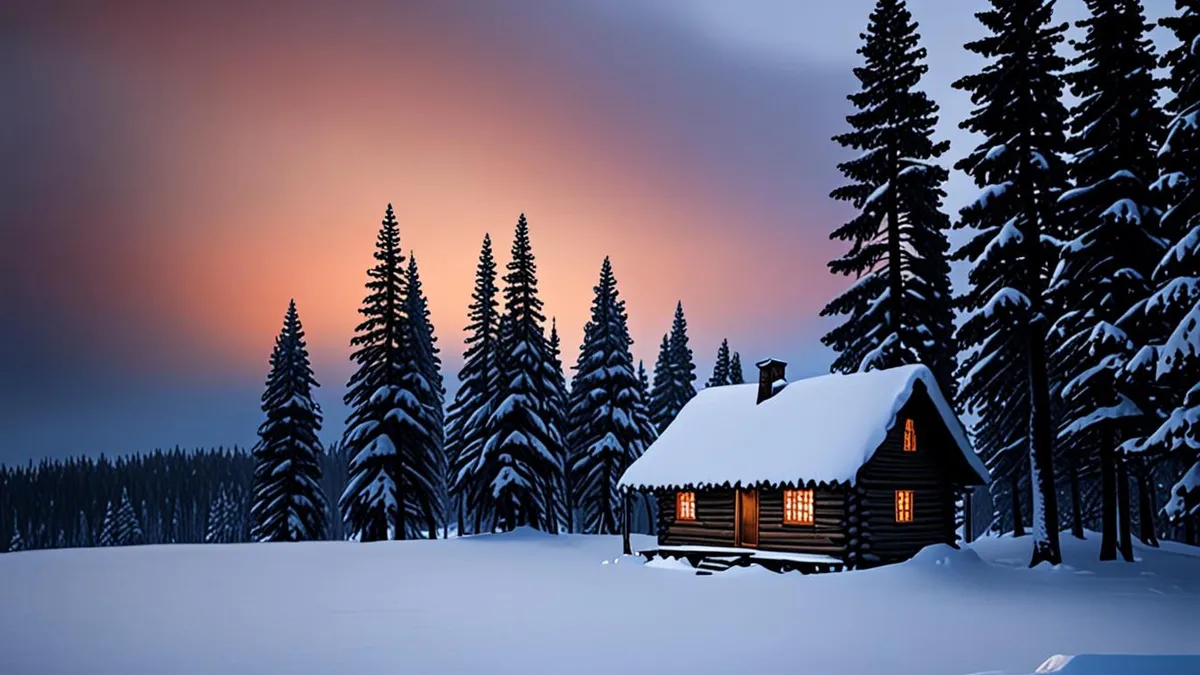
Wilderness lodges peak June-September in northern regions like Alaska and Canada, when wildlife is active, days are long and remote airstrips and roads are actually reliable. Outside that window, many northern lodges scale back or close entirely. Cabins, by contrast, work year-round thanks to their self-contained setup, but they are cheapest in shoulder months like May and October, when demand dips and owners discount.
- Ski chalets: December-April weeks fill first around school holidays, so mid-January and late March offer the same snow with more availability.
- Northern wilderness lodges: the June-September window in Alaska and Canada aligns with salmon runs, bear activity and long daylight for guided excursions.
- Cabins: May and October trips mean cooler weather, quieter trails and noticeably lower nightly rates than summer weekends.
- Lake and forest lodges: late spring through early autumn delivers warm water for swimming and canoeing, plus full service before the off-season shutdown.
Matching the Stay Type to Your Travel Group
The first question to ask is not “which stay type is best” but “who is coming with me.” Group size, privacy needs and how much you want to cook all point toward one clear winner.
Couples usually get the most out of a cabin. You get your own space, a full kitchen for slow breakfasts, and no shared hallways or dining times. If your priority is privacy, a small wooden cabin beats any larger property.
Families and groups of 6-14 are where chalets earn their keep. Splitting one multi-bedroom chalet between several families or a group of friends typically costs less per person than booking multiple lodge rooms, and the shared living room becomes the social center of the trip.
Solo travelers and activity-driven trips fit lodges best. With meals often included and guided excursions organized on site, you don’t need to plan every detail alone, which makes remote destinations far easier to handle solo.
- Couples: look for cabins with a private hot tub, fire pit or lake access, since these small extras often cost less at a cabin than at a full-service property.
- Families: a chalet’s multiple bedrooms and shared kitchen mean you can cook some meals yourself even when half-board is available, cutting food costs further.
- Solo travelers: lodges with set dinner times and group excursions make it easy to meet other guests, which matters more in wilderness areas than in towns.
- Romantic escapes: scenic lodges with valley or lake views and on-site dining remove the need to drive anywhere at night. For inspiration, browse romantic lodges in Europe for couples.
Booking Lead Times and How to Lock the Best Rate
Timing your booking matters as much as choosing the right stay type. Each of the three works on a different rhythm, and the savings from booking at the right moment can be significant. A chalet that looks fully committed in January may still be open if you searched the previous autumn, while a lakeside cabin can sit empty until someone takes a chance a few weeks before arrival. Understanding these patterns means you spend less time refreshing booking sites and more time actually planning the trip itself. It also helps you set realistic expectations: if you decide late, you may need to compromise on location or dates rather than price.
- Reserve ski-season chalets 4-6 months ahead. The best chalets in popular ski valleys fill their peak weeks early, so booking 4-6 months out gives you the widest choice of weeks and often better rates on half-board options. Wait longer and you’ll be choosing from the leftovers.
- Book summer wilderness lodges 2-3 months ahead. Northern lodges in places like Alaska and Canada run a short season, and July and August are the busiest months. For those two months specifically, book even earlier than the standard 2-3 months.
- Grab shoulder-season cabins 2-4 weeks out. Cabins in quiet months like May and October often still have availability close to the travel date, and owners frequently drop rates to fill empty weeks. This is the one case where last-minute booking usually pays off.
- Compare what’s included before judging the nightly price. A lodge at $300 per night with meals, transfers and guided activities included can be cheaper overall than a $120 cabin plus restaurant bills, rental car costs and paid excursions. Add up the full trip cost, not just the room rate.
One practical habit: write down the total for each option, including meals, transport and activities, before you commit. The cheapest nightly rate rarely matches the cheapest trip, and the property that bundles more often wins on value. Set a calendar reminder for your target booking window as soon as you pick a destination, so the date doesn’t slip past you while you’re still comparing options.
Where Each Stay Type Performs Best by Region
Each stay type has a home turf where it simply performs better than the alternatives. Matching the type to the region saves you from booking a cabin where you actually need a lodge’s full service.
Alpine Europe and ski country
Chalets dominate alpine Europe, especially the ski valleys of Switzerland, Austria and France. Many sit close to the slopes with half-board included, which matters in resorts where restaurant prices run high. If skiing is the point of your trip, a chalet is usually the obvious pick here.
Wilderness and lake regions
Lodges excel in remote wilderness areas like Patagonia, Alaska and Costa Rica, where distances are long and logistics demand full service. When a property includes meals, transfers and guided excursions, you avoid renting a car or hunting for food in areas with few options. For a closer look at one of these destinations, see these mountain lodges in Patagonia built for adventure travelers.
Cabins, meanwhile, suit lakefront and forest settings across North America and the Baltics, where roads are good, towns are nearby and self-catering is easy. There’s also a middle ground: mountain lodges in Europe combine lodge service with direct alpine trail access, ideal for hikers who want guided routes and meals but no ski lift in sight.
The Bottom Line for Your Next Stay
So which stay type fits your trip? Lodges offer service and activities, cabins offer privacy and low cost, and chalets offer shared space in ski country. The winner is decided by three things: your season, your group size, and whether meals are included in the price. A couple in May, a family of eight in February, and a solo traveler heading into the wilderness will each get a very different answer.
Timing matters just as much as the choice itself. Booking 2-6 months ahead, depending on the season, secures the best of any of the three. Get that pairing right, and you end up with a base that actually matches the trip you planned instead of one you have to work around. If this guide helped you settle the lodge vs cabin vs chalet question, leave a comment or share it with a travel partner.