You want a weekend in the woods, but a big question is standing in your way: glamping vs camping. On one side, there’s the classic appeal of pitching your own tent and cooking over a fire. On the other, there’s the promise of a real bed, warm blankets and a private bathroom just steps from the trail. Both get you outdoors, but they deliver very different experiences, and the right choice depends on your budget, your group and how much work you actually want to do on vacation.
This guide breaks the decision down piece by piece. We’ll define what each style really means, compare nightly rates and gear costs, look at comfort and effort on site, and cover booking windows, seasonal planning and which trip types fit each style best. By the end, you’ll know exactly which option matches the getaway you have in mind.
What Glamping and Camping Actually Mean
The two terms get thrown around loosely, so let’s pin down what each one actually involves. Traditional camping means you bring everything yourself: your tent, sleeping bag, sleeping pad, camp stove and cooler, then set it all up at a campsite you’ve reserved at a campground. When the trip is over, you pack it all back into the car.
How glamping works
Glamping — glamorous camping — flips that arrangement. You arrive at a pre-set structure such as a safari tent, cabin, yurt or dome, already furnished with real beds, linens and often electricity. There’s no tent to pitch and nothing to take down when you leave. The host handles the shelter; you just show up with your bags.
That’s the core difference between the two: who provides the shelter and comfort. With camping, you’re the provider, which means more packing and setup but full control over your gear and site. With glamping, the host provides it, trading some independence for convenience. Neither approach is better — they simply suit different travelers, budgets and trip goals, which is exactly what the rest of this guide will help you sort out.
Cost Comparison: Glamping vs Camping Nightly Rates
The price gap between the two styles is significant, and it’s often the deciding factor for most travelers. Basic tent sites at most campgrounds typically run $15–$50 per night, which makes even a week-long camping trip affordable for families on a tight budget. A four-night stay at the higher end of that range still costs less than a single night in many hotels. Glamping typically costs $150–$400 per night depending on the structure, location and level of service, so a two-night stay can approach the cost of a modest hotel room. For some travelers that trade is easy to justify; for others it simply doesn’t fit the trip.
But the nightly rate isn’t the whole story. Camping also involves a one-time gear investment of roughly $300–$600 for a starter kit for one person. That number surprises a lot of first-timers who expected camping to be nearly free. Once you own the gear, the cost spreads across years of trips, which is why frequent campers often come out ahead financially. Glamping, by contrast, requires little to no personal gear beyond clothing and food — the host supplies the beds, cooking setup and shelter. You pay more per night, but you never have to buy, store or maintain equipment.
When comparing totals, run the math for your actual trip length. A short first outing favors glamping or a borrowed kit; a longer trip or a habit of regular getaways quickly tips the balance toward buying your own camping setup.
- Tent and sleeping setup: a quality tent, sleeping bag and pad form the backbone of a starter kit and eat up a large share of that $300–$600 budget.
- Cooking equipment: a camp stove, fuel, cooler and basic cookware are separate purchases many first-timers forget to budget for.
- Smaller extras: headlamps, a first-aid kit, bug spray and a tarp add up quickly, so leave room in your budget beyond the big-ticket items.
- Glamping packing list: beyond weather-appropriate clothing and your own food, you can often arrive empty-handed and still have everything you need.
Comfort and Convenience on Site
Comfort is where the two styles diverge most sharply. A glamping setup usually includes real beds with proper mattresses, heating or fans depending on the season, interior lighting and often a private bathroom. Many safari tents and cabins also come with small kitchenettes, covered porches and cozy furnishings that make rainy afternoons pleasant instead of claustrophobic.
What camping comfort looks like
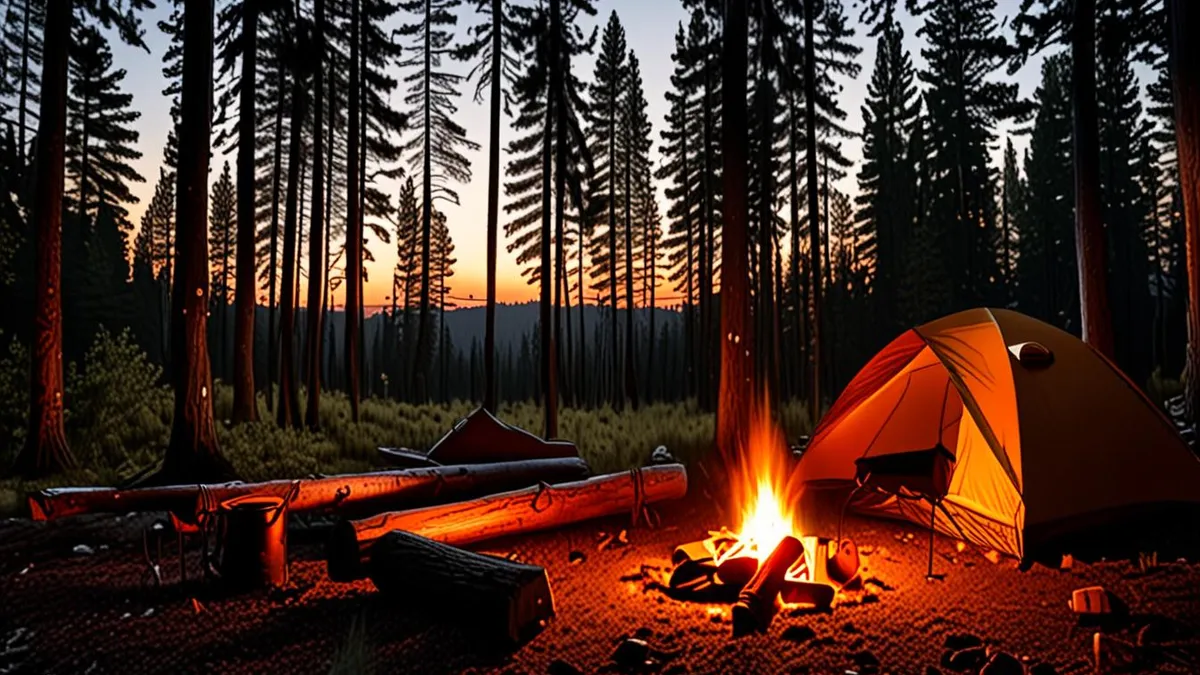
Camping means sleeping on the ground on a pad, cooking over a camp stove or fire and walking to shared restrooms — and sometimes to a shower building that may be a few minutes away. When the temperature drops at night, you feel it. When it rains, you’re managing wet gear and muddy ground. That’s part of the charm for many campers, but it’s a real adjustment if you’re used to hotel-level comfort.
The honest question to ask yourself is how much sleep quality matters to you. A bad night on a rocky patch of ground can drain the fun out of a full day of hiking, and light sleepers often struggle in a thin tent. Glamping suits travelers who want the sounds, smells and scenery of nature without sacrificing a solid night’s rest — you can spend the evening by the fire and still wake up refreshed, ready for whatever the trail offers.
Effort and Skills Required
Camping comes with a learning curve, and it helps to know what you’re signing up for before you drive to a campground. At minimum, you’ll need to pitch a tent, get a stove or campfire going, and handle basics like keeping food away from wildlife and staying warm after dark. None of this is difficult, but doing it for the first time at dusk, tired and hungry, is how most bad camping memories are made.
Glamping removes nearly all of that effort. You arrive to a structure that’s already standing, with a real bed made up and usually lighting and heat or fans ready to go. There’s no setup, no teardown, and very little that can go wrong on your end. If the idea of learning fire-building skills doesn’t appeal to you, glamping is the easier entry point into spending a night outdoors.
Tips for first-time campers
If you want to try traditional camping, plan a short 1–2 night trip close to home rather than a weeklong adventure far away. A nearby campground lets you bail out easily if your tent leaks or your sleeping bag isn’t warm enough. Practice pitching your tent in the backyard before the trip, and pack a simple checklist so you don’t forget stakes, a headlamp or a lighter. That first shakedown trip is also the best way to figure out which parts of your kit are worth upgrading and which are just dead weight in your pack.
Booking Windows and Seasonal Planning
Timing matters for both styles, but in different ways. Glamping inventory is limited — a host may have only a handful of safari tents or yurts on the property — so the best sites get claimed early. Popular glamping spots often need booking 2–6 months ahead for summer weekends, especially around holidays when everyone has the same idea. If you have your heart set on a specific tent with a view, treat the booking like a flight reservation and commit early rather than hoping for a cancellation.
Campground tent sites are usually easier to find last-minute, particularly midweek, when working travelers stay home. Many campgrounds hold back first-come, first-served sites as well, which suits spontaneous trips. Still, don’t count on walking into a famous national park campground on a July Saturday without a plan — those loops fill by mid-morning, and late arrivals can end up driving an hour to the next available option.
Weather is another reason to think ahead. Summer storms, heat waves and early-season cold snaps can all change how comfortable either style feels, so check the forecast before you pay a deposit, and read the host’s or campground’s cancellation policy carefully.
- Peak season runs roughly May to September in most US regions. Expect the highest demand, the fullest campgrounds and the longest booking lead times during these months.
- Shoulder-season trips in May or September mean lower rates and fewer crowds. You’ll often find easier availability and quieter trails, though pack layers since nights can still be cool.
- Midweek stays stretch your options. Both glamping hosts and campgrounds tend to have open sites Tuesday through Thursday, and some offer discounted rates for those nights.
- Set a reminder for booking windows. Some federal and state campgrounds release sites on a fixed schedule months ahead, so knowing the release date can make the difference between a lakeside site and whatever is left.
Group Size and Trip Type Fit
Group size is often what settles the glamping vs camping debate. Most glamping tents and cabins are built for 2–4 guests, which makes them a natural fit for couples and small families with one or two kids. Once you start adding people, the nightly rate multiplies quickly, because you’ll need to book several units to fit everyone.
Traditional camping scales differently. Family tent sites commonly allow 4–6 people, and pitching a second tent on the same site usually keeps costs low. For a group of friends splitting expenses, that per-person math is hard to beat.
Matching the trip to the style
Glamping shines for milestone trips and romantic getaways — anniversaries, honeymoons or a special weekend where waking up in a real bed under canvas is part of the appeal. The comfort is built in, so the trip feels like a treat from the moment you arrive.
Camping suits budget group trips and longer stays. When you’re out for a week, the gear investment pays for itself compared to nightly glamping rates, and campgrounds give larger groups room to spread out. If your crew cares more about campfires and day hikes than thread counts, tents are the smarter match.
Choosing Your Style
So which style wins? Glamping takes comfort, ease and low gear cost — real beds, no setup and little to buy beyond clothing and food — but you’ll typically pay $150–$400 per night. Camping takes price and flexibility: tent sites usually run $15–$50 per night, and once you’ve put roughly $300–$600 into a starter kit, the gear is yours for every trip after that.
The right choice comes down to three questions: what’s your budget, how many people are going, and how much setup work do you actually want to do on arrival? A couple celebrating something special will likely love a glamping tent, while a bigger group watching costs will get more out of classic tent camping. Match the style to your trip, not to a trend. If this helped you decide, leave a comment or share the article with a friend who’s torn between the two.