You love the idea of sleeping under the stars, but the reality of camping gives you pause: a thin tent floor, a sleeping bag that never quite warms up, and a long walk in the dark to a shared toilet block. If that sounds familiar, glamping might be exactly the compromise you’ve been looking for. Short for “glamorous camping,” glamping puts you in nature without asking you to give up a real bed, heating, or your own bathroom.
In this beginner’s guide, we’ll explain what glamping actually is and how it differs from traditional camping, then walk through the main types of accommodation, from safari tents and yurts to domes and treehouses. We’ll cover the amenities you can reasonably expect, what a night typically costs, and the smartest times to book and to travel. Finally, you’ll find practical tips for choosing your first glamping trip, so your first night in the great outdoors feels like a treat rather than a test.
What Is Glamping, Exactly?
Glamping is short for “glamorous camping,” and it does exactly what the name suggests: it combines outdoor settings with hotel-style comfort. Instead of pitching a tent yourself, you arrive at a structure that’s already built, furnished, and often serviced. You might be in a canvas safari tent on a ridge, a round yurt in a meadow, or a timber cabin at the edge of a forest, but the experience starts from the moment you unpack a suitcase rather than wrestle with tent poles.
How It Differs From Traditional Camping
The differences show up the moment you arrive. Traditional camping means bringing your own shelter, sleeping on the ground, and walking to a shared washroom block. Glamping flips that: you get a real bed with proper linens, a solid or semi-solid structure with a door that locks, and in most cases a private bathroom attached to your unit or a short step away. Many sites also provide lighting, heating, and a covered porch, so a rainy evening becomes cozy rather than miserable.
Why It Has Grown So Quickly
The appeal is easy to understand. Lots of travelers want the nature immersion of camping, waking up to birdsong and stepping outside to a view, but they don’t want to buy a carload of gear or haul it across the country. Glamping removes that barrier entirely. Someone else owns the equipment, maintains the site, and does the setup, so all you need is a reservation and a weekend bag. It has opened the outdoors to families with young children, couples celebrating something special, and anyone who simply sleeps better with a mattress underneath them.
Types of Glamping Accommodation
Glamping isn’t one type of accommodation but a whole family of them, and the structure you choose shapes both the experience and the price. Some options feel close to a hotel room with a view, while others lean more rustic. Knowing the main categories makes it much easier to match a site to your budget, the season, and your comfort expectations.
Safari tents and yurts are the classic entry point. These are spacious canvas structures, often with wooden floors, real furniture, and room for a family, and they’re frequently the most affordable way into glamping, typically running $100-$250 per night. Geodesic domes and A-frame cabins sit a step up in price and engineering. Domes are popular for their panoramic windows and curved, light-filled interiors, while both domes and A-frames are usually insulated, making them a solid choice outside the warmest months. Treehouses and converted trailers are the most distinctive options: usually smaller, full of character, and commonly priced at $200-$500 per night.
- Safari tents: Many are modeled on the canvas lodges used on African safaris, with zippered doors, mesh window panels for airflow, and a covered veranda where you can sit above the grass line.
- Yurts: The circular lattice-wall design, adapted from Central Asian nomad dwellings, holds warmth surprisingly well and often features a skylight dome at the top for stargazing from bed.
- Geodesic domes: The triangular panel construction sheds wind and snow effectively, and the curved windows frequently frame the site’s best view, whether that’s a valley, a vineyard, or the night sky.
- A-frame cabins: The steep roofline handles rain and snow well, and the compact footprint means sites can tuck them into small clearings with plenty of privacy between neighbors.
- Treehouses: Beyond the novelty of sleeping off the ground, many are built on stilts or platforms among mature trees, so expect narrower staircases or ladder access and think twice if you’re hauling heavy luggage.
- Converted trailers: Restored vintage trailers often keep retro exteriors with modern interiors, and because they’re compact, they usually suit couples better than families of four.
What Amenities to Expect
One of the biggest questions first-timers have is simple: what will actually be inside my accommodation? The answer varies more than you might expect, because glamping covers everything from near-hotel setups to stylish-but-basic canvas rooms. Understanding the difference between standard inclusions, common extras, and things you need to verify will prevent disappointment when you arrive.
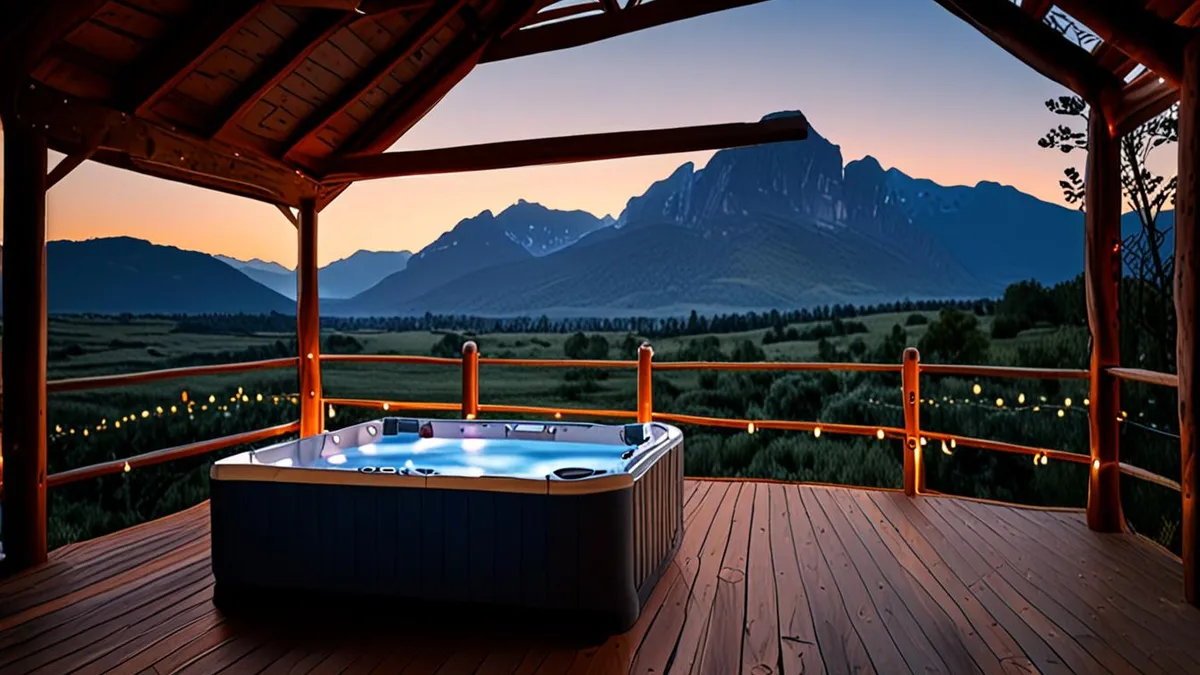
At most established sites, the standard package includes a real bed with proper linens and pillows, some form of heating or cooling, and a private or en-suite bathroom. That last point is the true dividing line between glamping and camping, so it’s worth confirming rather than assuming. Beyond the basics, many hosts add features that push the stay toward genuinely luxurious territory: a kitchenette for simple meals, a wood-burning stove for chilly evenings, a private hot tub under the stars, a fire pit with chairs, or a furnished deck where morning coffee comes with a view.
Before you book, check two things carefully. First, whether the bathroom is private to your unit or shared with other guests, since some sites describe “bathroom access” when the facilities are actually a short walk away. Second, whether meals are included, because some lodges provide breakfast or full-board dining while others leave you entirely self-catering, which matters if the nearest restaurant is half an hour down the road.
- Wood-burning stoves: In canvas structures, a small stove with a chimney through the roof can keep the interior warm all night, and hosts usually supply a starter bundle of firewood.
- Hot tubs: Private wood-fired or electric hot tubs are a signature luxury-camping extra, but they often need several hours to heat, so ask whether yours is ready on arrival or needs advance notice.
- Kitchenettes: These typically include a two-burner cooktop, a small fridge, and basic cookware, though they’re rarely equipped for elaborate cooking, so plan simple meals.
- Fire pits: A shared or private fire pit often comes with a grill grate, making it your cooking station as well as your evening gathering spot, and some sites sell firewood on-site.
- Furnished decks: Covered porches and decks usually carry lounge chairs or a dining table, effectively giving you an extra outdoor room, which matters most in sites where interior space is compact.
How Much Does Glamping Cost?
Glamping sits somewhere between a hotel room and a campsite on the price scale, and where you land depends on a few predictable factors. Safari tents and yurts tend to sit at the lower end of the range, while premium domes and treehouses push toward the top. Ultra-luxury lodges with full catering and spa-style touches cost more still, though these are the exception rather than the rule.
What drives the price
Four factors shape what you will pay. Location comes first: a tent overlooking a national park or a coastline commands more than one in a quiet field. Season matters just as much, since summer dates can cost noticeably more than the same unit in spring or fall. Structure type plays a role too, because a heated geodesic dome with a panoramic window costs more to build and maintain than a simple canvas tent. Finally, included amenities push prices up, so a site with a private hot tub, wood-burning stove or chef-prepared meals will charge accordingly.
How to save money
The easiest way to trim the bill is to travel in shoulder season. Dates in May or September often cost noticeably less than the June-August peak, and you still get pleasant weather and full operation at most sites. Booking midweek instead of a weekend can also help, and some owners offer discounts for longer stays, so it pays to ask directly before you reserve.
When to Book and When to Go
Glamping sites are small, often with only a handful of units, so the best dates disappear faster than hotel rooms do. A single property might have six or eight structures in total, which means a busy summer weekend can sell out well before you have finished planning the rest of your trip. A little planning goes a long way, and the timing you need depends heavily on when you want to travel. Here is a simple sequence to follow when planning your trip.
- Decide on your season first. Peak season in most Northern Hemisphere destinations runs June to August, when the weather is warmest but prices are highest and availability is thinnest. May and September usually mean milder crowds, greener landscapes and noticeably better rates, which makes them a smart choice for a first trip.
- Book 3-6 months ahead for summer stays. Popular sites often open their calendar early, and units at well-reviewed properties are frequently reserved months in advance. Reserving as soon as your dates are firm gives you the widest choice of structures and views, whether that is a dome with a panorama or a secluded tent at the back of the property.
- Use a 1-2 month window in shoulder season. May and September stays are easier to secure, and booking one or two months out is often enough to find good availability. This flexibility lets you watch the forecast and pick a promising weekend rather than committing blind.
- Confirm the details before you pay. Check the cancellation policy, whether bathrooms are private or shared, and what happens if weather turns bad. A quick message to the host avoids most surprises and helps you compare properties fairly.
Once your reservation is set, keep a note of arrival instructions and any packing suggestions the host provides. Many glamping sites are rural, sometimes down unpaved roads with limited cell service, so saving directions offline is worth the extra minute. Knowing what is included on site, from bedding to cooking equipment, helps you pack light and arrive relaxed. If you are celebrating something special, mention it when you book; hosts can sometimes suggest the quietest unit or the best spot for sunset without you having to ask twice.
How to Choose Your First Glamping Trip
Your first glamping trip sets the tone for whether you fall in love with the concept, so a little selection work pays off. The good news is that two questions cover most of it: where the site is, and what kind of structure you will sleep in. Get those right and the experience usually takes care of itself.
Start with location. Most glamping sites sit within a 5-60 minute drive of the nearest town, and staying in that range makes life much easier. You can resupply on firewood, pick up forgotten items and grab a meal out if the weather turns. A completely remote site sounds romantic, but for a first trip, being near a town removes a lot of potential stress.
Then match the structure to the season. Insulated domes and A-frame cabins hold heat well and are the safer choice for cooler months, while canvas safari tents and yurts shine in summer when their breathability is an advantage. A canvas tent in a cold snap is memorable for the wrong reasons.
- Scan recent reviews for heating comments. Look for mentions of whether the heater kept the unit warm overnight, since older units can struggle when temperatures drop.
- Check what guests say about bathroom access. Some listings describe “private bathrooms” that are actually a short walk outside, which matters a lot on a rainy night.
- Look for notes on noise between units. Reviews that mention thin walls, close spacing or shared decks help you judge whether you will actually get the quiet you came for.
- Prioritize reviews from the last few months. Older feedback may describe management or facilities that have since changed.
Spend twenty minutes on these checks and you will book with confidence. A well-chosen first site, close to town and suited to the season, is what turns a curious experiment into a habit.
Ready to Try Glamping?
If the thought of a thin tent, a zip-up sleeping bag and a midnight trek to a shared toilet puts you off camping, glamping solves that problem neatly. It blends outdoor settings with real beds, private bathrooms and heating, with prices typically running from $100 to $500 per night. You still get the campfire and the morning birdsong, just without hauling a single piece of gear.
Booking 3-6 months ahead secures the best summer sites, while May and September offer milder crowds and better value. Choosing the right structure for the season and a location close to town makes a first luxury camping trip feel effortless. Have you tried glamping yet, or are you planning your first stay? Leave a comment or share this article with a friend who needs a nudge.