There are thousands of lodges across Europe, the Americas and beyond, and no two are quite alike. Some sit on quiet lakefronts built for slow mornings, others cater to hikers at the edge of mountain trails, and plenty close entirely outside their peak season. That variety is wonderful, but it also makes it hard to choose a lodge that actually fits your trip, your budget and the dates you are traveling.
This guide breaks the decision into clear, practical steps. You will start by matching the lodge type and season to your trip, then set a realistic nightly budget before you fall in love with a listing. From there, we cover location and access, the amenities and included services that really matter, how to read reviews with a critical eye, and when to book for the best availability. A quick checklist at the end ties it all together so you can book with confidence.
Start With Your Trip Type and Season
The biggest mistake travelers make is booking a beautiful lodge that simply does not match their trip. A lakefront lodge is hard to beat for a slow summer stay, when your days revolve around swimming, kayaking and long terrace dinners. Mountain lodges make far more sense if hiking is the point of your trip, because you want trailheads close by rather than a long drive each morning. For winter trips between December and March, a ski lodge with slopeside access saves you time and energy every single day.
Season matters just as much as lodge type. If you travel during peak summer, from June to August, you get the fullest range of services: restaurants at full capacity, guided activities running daily and facilities like pools or boat rentals in operation. If you would rather pay less and share the trails with fewer people, aim for the shoulder months of May-June or September-October, when rates often drop by 20-30%.
Check the operating calendar before you commit
Not every lodge stays open all year. Some wilderness and mountain lodges close entirely outside peak season, either because access roads become unreliable or because demand simply does not justify the staff. Before you get attached to a property, confirm it operates during your travel dates. A lodge that looks perfect in July photos may be shuttered, or running on limited services, in late October. A quick email to the lodge or a look at its booking calendar will tell you in minutes.
Set a Realistic Budget Before You Search
Before you browse a single listing, decide what you can comfortably spend per night. In most regions, a comfortable mid-range lodge double room typically runs $120-250 per night. That gets you a clean, well-kept room, usually breakfast, and common areas worth spending time in. It is the sweet spot for most travelers who want character without a resort price tag.
Luxury lodges are a different category altogether. Expect rates starting around $350-500 per night, and often more at the top end. What you are paying for goes beyond the room: spa facilities, guided activities led by staff, and full-board dining that removes the need to plan meals at all. For a trip where the lodge is the destination, that can be money well spent.
There are also genuinely affordable options if you know where to look. In Central America, budget lodges at $40-80 per night can still put you in a jungle setting or right on a lakeshore. If that region is on your list, our guide to budget lodges in Central America shows how to find these deals.
As you compare prices, keep in mind what is bundled into the rate:
- Meal plans: a rate that looks cheap can grow quickly if the lodge is remote and dinner, lunch and drinks all cost extra.
- Activity costs: guided hikes, boat trips and equipment rental are often billed separately, especially at adventure-focused lodges.
- Taxes and local fees: some regions add tourist taxes or service charges at checkout, so ask what the final nightly total includes.
Choose the Right Location and Access
A lodge can look stunning online and still be a poor choice if getting there eats up your days. As a rule of thumb, keep the lodge within 30-60 minutes of your main activity hub, whether that is a trail network, a ski area, a lake or a national park entrance. Anything beyond that turns every excursion into a transfer, and you will spend more time in the car than on the trail.
Also think about what surrounds the lodge itself. A remote wilderness setting delivers silence, dark skies and wildlife right outside your window, but you will likely depend entirely on the lodge for meals and activities. A lodge near a town gives you restaurants, shops and flexibility in the evenings, at the cost of some peace and quiet. Neither is better; it depends on whether your trip is about escaping or exploring.
Winter access deserves a second look
If you are traveling in snow months, check how you will actually reach the property. Mountain and forest lodges may sit at the end of roads that are not plowed regularly, and some require 4WD or a shuttle transfer arranged by the lodge. Ask directly before booking: how is the final stretch of road maintained, is parking available at the lodge, and can they pick you up if conditions turn difficult? A ten-minute question now prevents a stressful arrival later.
Compare Amenities and Included Services
Meals can make or break a lodge stay, so confirm what is included before you book. Many remote lodges operate on a full-board basis simply because there is no restaurant or shop nearby, and arriving hungry without a reservation can mean an expensive surprise or a very quiet evening. Ask specifically about breakfast, dinner, and packed lunches for day hikes.
Then think about which amenities actually fit your trip style, rather than paying for a long list of facilities you will never use. A couple on a slow winter getaway will care about different things than a family of four planning daily outings. Use this list to sort the essentials from the nice-to-haves:
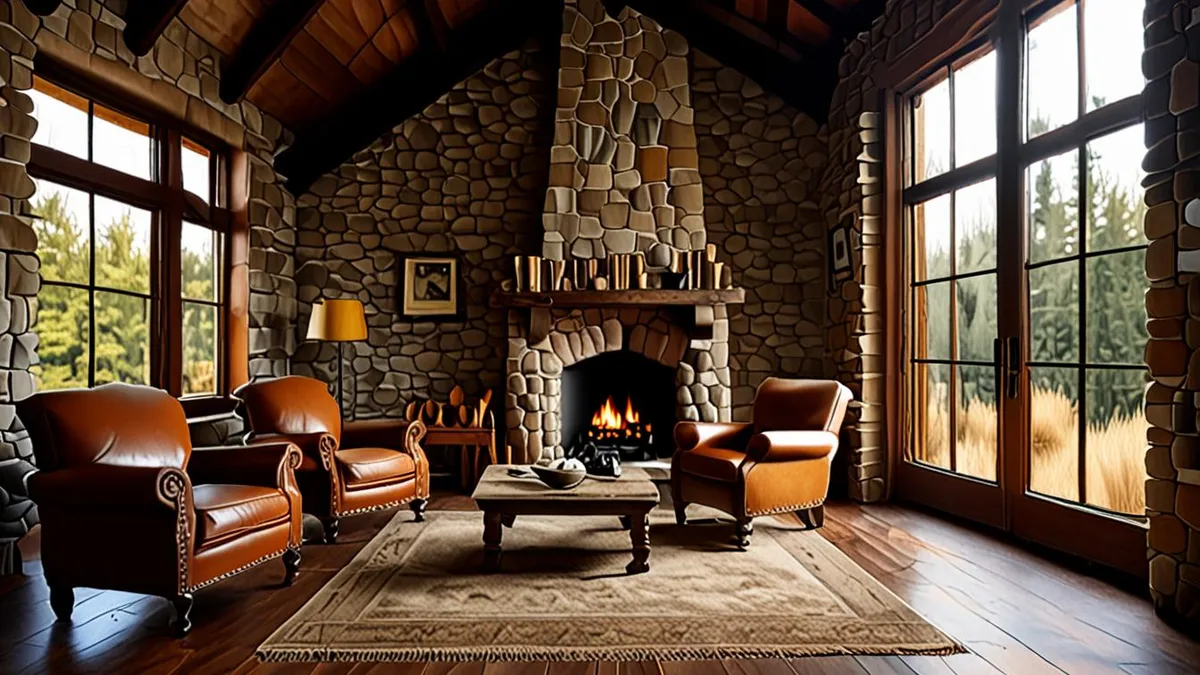
- Fireplace lounge: ideal for shoulder-season stays when evenings are chilly and you want a social space to read or swap stories with other guests.
- Sauna or hot tub: especially valuable after long hiking days or in ski country, where warming up matters more than a fitness room ever will.
- Guided hikes and boat access: these can replace expensive outside tours, so check whether they are included, offered at a surcharge, or bookable only in high season.
- Spa services: worth prioritizing if the lodge is your destination rather than a base, but easy to skip if you plan to be out all day.
Finally, verify the practical basics that rarely appear in glossy photos. Ask how reliable the Wi-Fi is and whether it reaches the rooms or only the lobby, whether staff help with luggage if parking is far from the entrance, and whether family rooms or connecting rooms exist if you are traveling with children. A quick email with these three questions usually tells you a lot about how responsive the lodge will be once you arrive.
Read Reviews With a Critical Eye
Reviews are useful, but only if you read them the way they were meant to be read: through the eyes of the person who wrote them. A couple celebrating an anniversary and a family with two toddlers will notice completely different things about the same lodge, and their ratings often differ by several points. Most booking platforms let you filter by traveler type, so start by reading reviews from guests who traveled like you plan to.
Season matters just as much. A mountain lodge that feels cozy and lively in July can feel isolated and half-shuttered in January, and a ski lodge glowing with snowmakers in February may look bare in autumn. Prioritize reviews written within the last year or two, and specifically from your target season, so the descriptions match what you will actually experience. If you are browsing lodges across Europe, this becomes even more important because alpine properties can change dramatically between winter and summer operations.
Watch How Management Responds
One of the most reliable signals in any review section is the owner’s response to complaints. Fast, personal replies that address the specific issue usually indicate a hands-on team that will fix problems on site. Copy-paste apologies or silence, on the other hand, suggest that a bad room or a cold dinner will stay unfixed. Read a handful of negative reviews too, not just the glowing ones, and ask yourself whether the complaints would bother you.
Time Your Booking to the Season
Lodge prices move with the calendar more than almost any other type of accommodation, so when you book matters nearly as much as where you stay. Unlike city hotels, where rooms turn over constantly, popular lodges often have a limited number of rooms and a concentrated demand window. The good news is that the timing rules are simple and consistent across most regions, and following them can save you both money and disappointment.
- Book early for peak season. For summer stays between June and August and for ski weeks from December through March, reserve 3-6 months ahead. The most sought-after lodges in popular valleys and lake regions often fill their best rooms first, and last-minute availability tends to be limited and expensive.
- Relax your timeline in shoulder season. For stays in May-June or September-October, booking 1-2 months out is usually enough. Rates are already lower in these windows, and you may even find better deals by waiting for a promotion or a last-minute opening.
- Read the cancellation terms before paying. Some lodges require deposits months in advance or charge steep fees for changes, especially in high season. Ask what happens if weather closes access roads or you need to shift dates.
- Favor flexible rates in unpredictable months. If you are traveling in late autumn or early spring when weather can disrupt plans, a slightly higher flexible rate often beats a locked-in discount you cannot use.
If a winter trip is on your mind, it pays to start early: demand for ski lodges in Europe concentrates into a few short months, and the slopeside properties go first. Set a reminder for the booking window, compare a couple of rate types, and you will usually end up with both the room you want and terms you can live with.
Your Quick Lodge-Choosing Checklist
Choosing a lodge does not have to feel overwhelming, even with thousands of options across Europe, the Americas and beyond. The trick is to work through a few decisions in order: first decide what kind of setting and time of year suit your trip, then set a nightly budget before you start browsing, and finally pick a location close to your main activities. Those three filters alone will cut a huge list down to a manageable shortlist.
From there, compare what is actually included in the rate, read reviews from travelers who visited in the same season as you, and book 3-6 months ahead for peak-season travel. If a lodge fits your trip style, your budget and your travel dates all at once, you have likely found the right one. If this guide helped you sort out your own lodge search, leave a comment with your plans or share the article with a travel companion.